
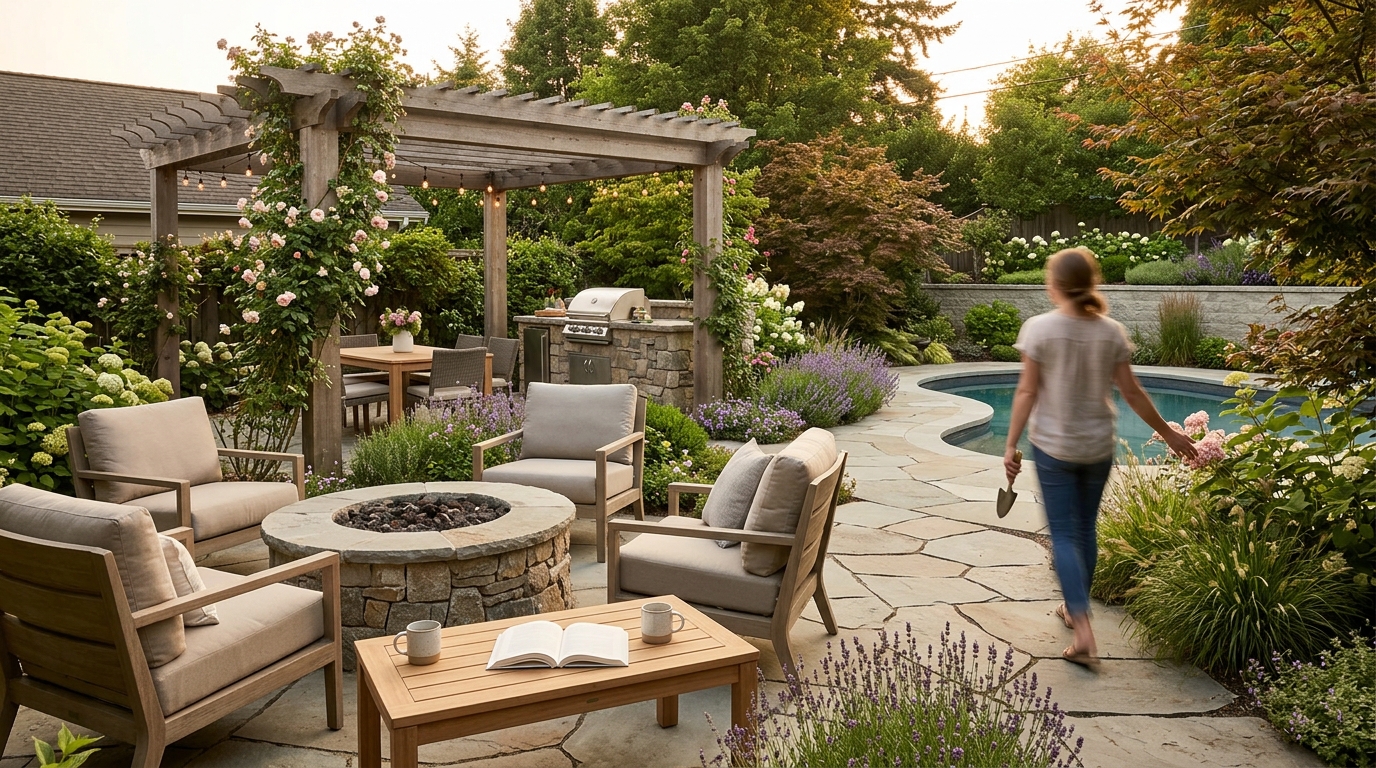
Creating a cohesive outdoor environment requires more than just planting flowers. It demands a clear vision of the desired aesthetic and functional flow. According to recent industry trends, homeowners are increasingly prioritizing outdoor spaces that serve as extensions of their indoor living areas, with outdoor living becoming a top investment for property value and personal well-being. This shift reflects a broader cultural move toward treating backyards as private retreats rather than mere utility zones. Understanding the fundamental garden design styles is the first step in transforming your landscape into a functional masterpiece.
Modern Minimalist Design
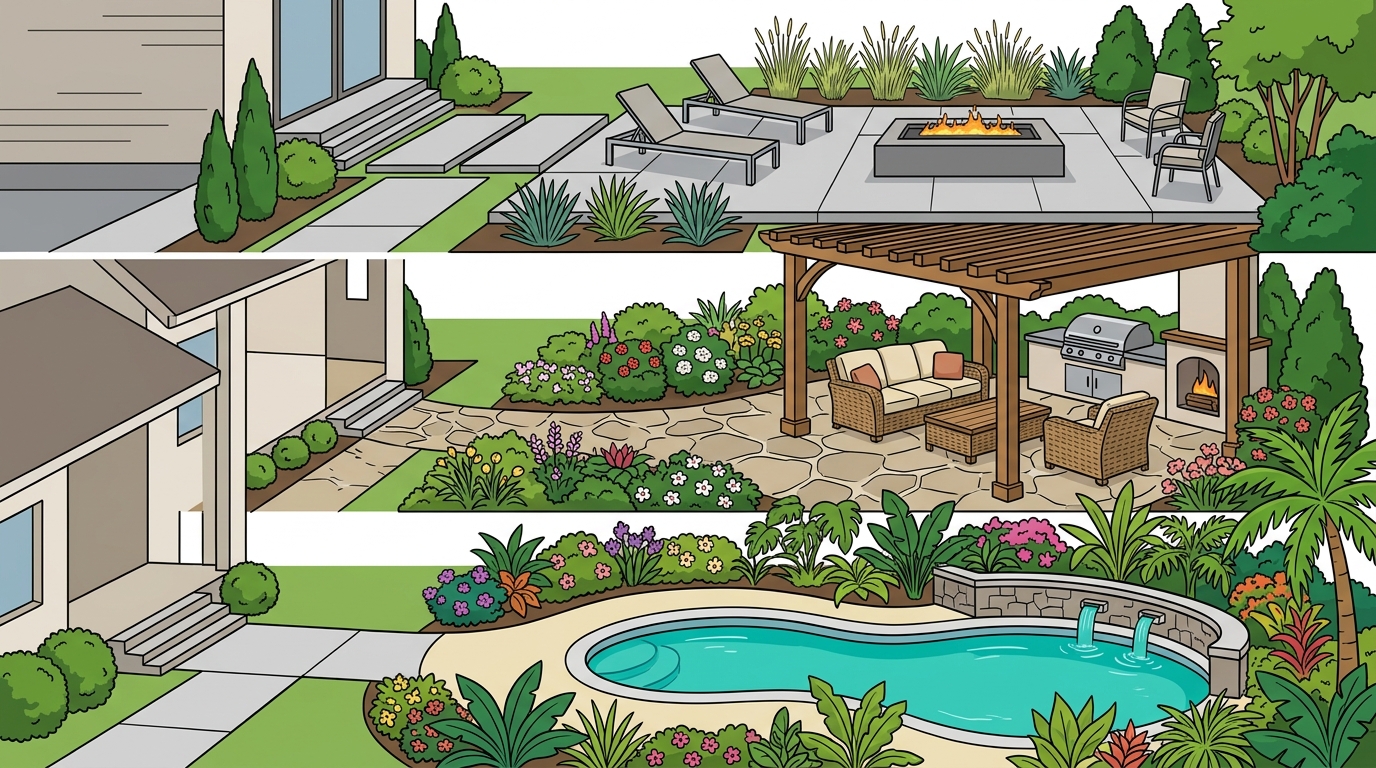
Modern minimalist landscaping is defined by its clean lines, open spaces, and a restrained color palette. This style emphasizes structure and geometry, often utilizing hardscape elements to create a sense of order and calm. The primary goal is to reduce visual clutter, allowing the eye to rest on specific architectural features or singular plant specimens. (Products ndash Heyday Landscaping)
Core Characteristics
Key elements include the use of materials like concrete, steel, and glass. Gravel pathways and large-format pavers are common choices for creating seamless transitions between indoor and outdoor areas. Plantings are typically sparse and strategic, focusing on texture and form rather than abundance. Ornamental grasses and sculptural shrubs are preferred over colorful, high-maintenance blooms. (Grasses ndash Heyday Landscaping)
This approach is particularly effective for homeowners who desire a low-maintenance yard that still looks polished and intentional. The paver patio serves as a central anchor, providing a durable and clean surface for outdoor furniture. By limiting the variety of plants, you reduce the need for frequent pruning and weeding, making this style ideal for busy professionals. (Pavers amp Slabs ndash)
Implementation Tips
Start with a strong hardscape foundation. Use retaining walls to create level terraces on sloped properties, which adds dramatic architectural interest. Incorporate fire features to extend the usability of the space into cooler months. The retaining walls not only manage drainage but also create distinct zones for dining and relaxation.
Traditional English Cottage
The traditional English cottage garden is a romantic, informal style that celebrates abundance and natural beauty. It is characterized by a dense planting scheme that overlaps and spills over pathways, creating a lush, inviting atmosphere. This style evokes a sense of nostalgia and timeless charm, often associated with rural English estates.
Plant Selection and Layout
Plant selection is crucial for this style. You will want to mix perennials, annuals, and shrubs to ensure continuous color throughout the growing season. Roses, lavender, foxgloves, and delphiniums are classic choices. The layout is intentionally asymmetrical, with plants arranged in drifts rather than rigid rows. This creates a sense of organic growth and discovery as you move through the garden.
Winding gravel or stone pathways guide visitors through the dense plantings, encouraging a slower, more contemplative pace. The use of Zone 5 plants ensures that the garden thrives in the local climate while maintaining its authentic character. This style requires more maintenance than minimalist designs, as plants need regular deadheading and division to prevent overcrowding.
Structural Elements
Wrought iron benches, trellises, and arbors are essential structural components. They provide support for climbing plants like clematis and jasmine, adding vertical interest to the horizontal spread of the garden. A small water feature, such as a stone birdbath or a modest fountain, adds a soothing auditory element that enhances the tranquil mood.
Contemporary Landscape Architecture
Contemporary landscape design blends modern aesthetics with natural elements to create a sophisticated yet welcoming environment. Unlike strict minimalism, contemporary gardens allow for more creativity and personal expression while maintaining a clean, uncluttered look. This style is highly adaptable and works well with various home architectures, from mid-century modern to modern farmhouse.
Integration of Hardscape and Softscape
The balance between hardscape and softscape is critical. Large expanses of lawn may be replaced with permeable pavers or decorative gravel to reduce water usage and maintenance. Native grasses and succulents are often used to add texture and color without requiring excessive water. The landscape design process for this style involves careful planning to ensure that every element serves a purpose.
Lighting plays a significant role in contemporary gardens. Strategic uplighting of trees and architectural features creates drama and extends the usability of the space into the evening. Landscape lighting is not just functional but also artistic, highlighting the textures of stone and foliage.
Outdoor Living Integration
Contemporary gardens often feature fully equipped outdoor kitchens and living areas. These spaces are designed for entertaining and socializing, with high-quality materials that withstand the elements. The outdoor kitchens are seamlessly integrated into the landscape, using materials that match the home’s exterior. This creates a cohesive flow between the interior and exterior living spaces.
Mediterranean and Terrace Styles
Mediterranean landscaping draws inspiration from the coastal regions of Spain, Italy, and Greece. It is characterized by drought-tolerant plants, terracotta pots, and warm, earthy tones. This style is perfect for sunny climates and is increasingly popular in regions with water restrictions due to its low water requirements.
Key Plant and Material Choices
Olive trees, citrus trees, and rosemary are staple plants for this style. They provide structure, scent, and year-round interest. Terracotta pots and stone planters add warmth and texture, while gravel paths and dry river beds manage drainage effectively. The use of pavers and slabs in warm hues complements the natural stone and plant palette.
Terrace gardens are a variation of this style, utilizing stepped levels to create usable space on sloped properties. Each terrace can serve a different function, such as dining, gardening, or relaxation. This approach maximizes the utility of the land while creating a visually stunning vertical garden.
Water Features and Shade
Water features in Mediterranean gardens are often simple and elegant, such as a narrow reflecting pool or a central fountain. They provide cooling and a sense of luxury. Shade structures, such as pergolas with climbing vines, offer relief from the sun and create intimate outdoor rooms. The fire features add warmth and ambiance, making the space comfortable even in the cooler evenings.
Naturalistic and Wild Gardens
Naturalistic landscaping mimics the patterns and plant communities found in nature. It emphasizes native plants, biodiversity, and ecological health. This style is gaining popularity among homeowners who want to support local wildlife and reduce their environmental footprint.
Ecosystem Benefits
By planting native species, you create a habitat for pollinators, birds, and other wildlife. This approach reduces the need for fertilizers and pesticides, as native plants are adapted to the local soil and climate conditions. The ornamental grasses used in these gardens provide structure and movement, swaying gently in the breeze.
Design Principles
The design is loose and informal, with plants grouped in clusters that mimic natural growth patterns. Layering is important, with tall trees and shrubs providing a backdrop for mid-height perennials and groundcovers. This creates depth and visual interest throughout the year. The sodding and seeding services can help establish a healthy, native lawn that blends seamlessly with the surrounding plantings.
Seasonal Interest
Naturalistic gardens change dramatically with the seasons. Spring brings bursts of color from wildflowers, while summer offers lush greenery and seed heads. Autumn provides rich foliage colors, and winter reveals the structural beauty of bare branches and seed pods. This dynamic quality keeps the garden engaging year-round.
Key Takeaways
- Modern Minimalist: Focuses on clean lines, hardscape, and low-maintenance plantings for a sleek, contemporary look.
- English Cottage: Features dense, overlapping plantings and winding paths for a romantic, traditional aesthetic.
- Contemporary: Blends modern architecture with natural elements, emphasizing outdoor living and strategic lighting.
- Mediterranean: Utilizes drought-tolerant plants, terracotta, and warm tones for a sun-drenched, relaxed vibe.
- Naturalistic: Mimics native ecosystems, supporting biodiversity and requiring minimal chemical inputs.
- Hardscape Importance: Quality paver patios and retaining walls are foundational to all successful designs.
- Local Expertise: Serving Cedar Rapids, Iowa City, and Eastern Iowa since 1991, Heyday Landscaping understands regional climate challenges.
Frequently Asked Questions
Which garden design style is best for a small yard?
Modern minimalist and contemporary styles are often best for small yards because they use clean lines and strategic plantings to create the illusion of space. Avoiding overly dense plantings prevents the area from feeling cramped.
How do I choose plants for my garden style?
Choose plants that align with your chosen aesthetic and thrive in your local climate. For example, use ornamental grasses and succulents for Mediterranean styles, and mix perennials and shrubs for English cottage gardens. Consult Zone 5 plant guides for local suitability.
Can I mix different garden design styles?
Yes, blending styles can create a unique and personalized landscape. However, it is important to maintain a cohesive thread, such as a consistent hardscape material or color palette, to prevent the design from looking disjointed.
What is the most low-maintenance garden style?
Modern minimalist and Mediterranean styles are typically the most low-maintenance. They rely on hardscape, drought-tolerant plants, and minimal lawn areas, reducing the need for watering, mowing, and pruning.
How does landscape design impact property value?
A well-designed landscape can significantly increase property value by enhancing curb appeal and creating functional outdoor living spaces. Professional landscape design ensures that the investment yields long-term returns through durability and aesthetic appeal.
What are the benefits of outdoor kitchens?
Outdoor kitchens extend the living space of your home, allowing for year-round entertaining. They are perfect for summer cookouts and winter gatherings, especially when paired with fire features and comfortable seating.
How do I handle drainage in my garden?
Proper drainage is crucial for plant health and hardscape longevity. Use water drainage solutions like French drains, grading, and permeable pavers to manage water flow and prevent erosion.
Transform Your Outdoor Space Today
Choosing the right garden design style is the first step toward creating your dream outdoor retreat. Whether you prefer the clean lines of modern minimalism or the romantic charm of an English cottage, Heyday Landscaping has the expertise to bring your vision to life. With over three decades of experience serving Cedar Rapids, Iowa City, and Eastern Iowa, we are your trusted partner for all landscaping needs.
Ready to start your project? Contact Heyday Landscaping today to schedule your free consultation and discover how we can transform your backyard into a beautiful, functional oasis.