
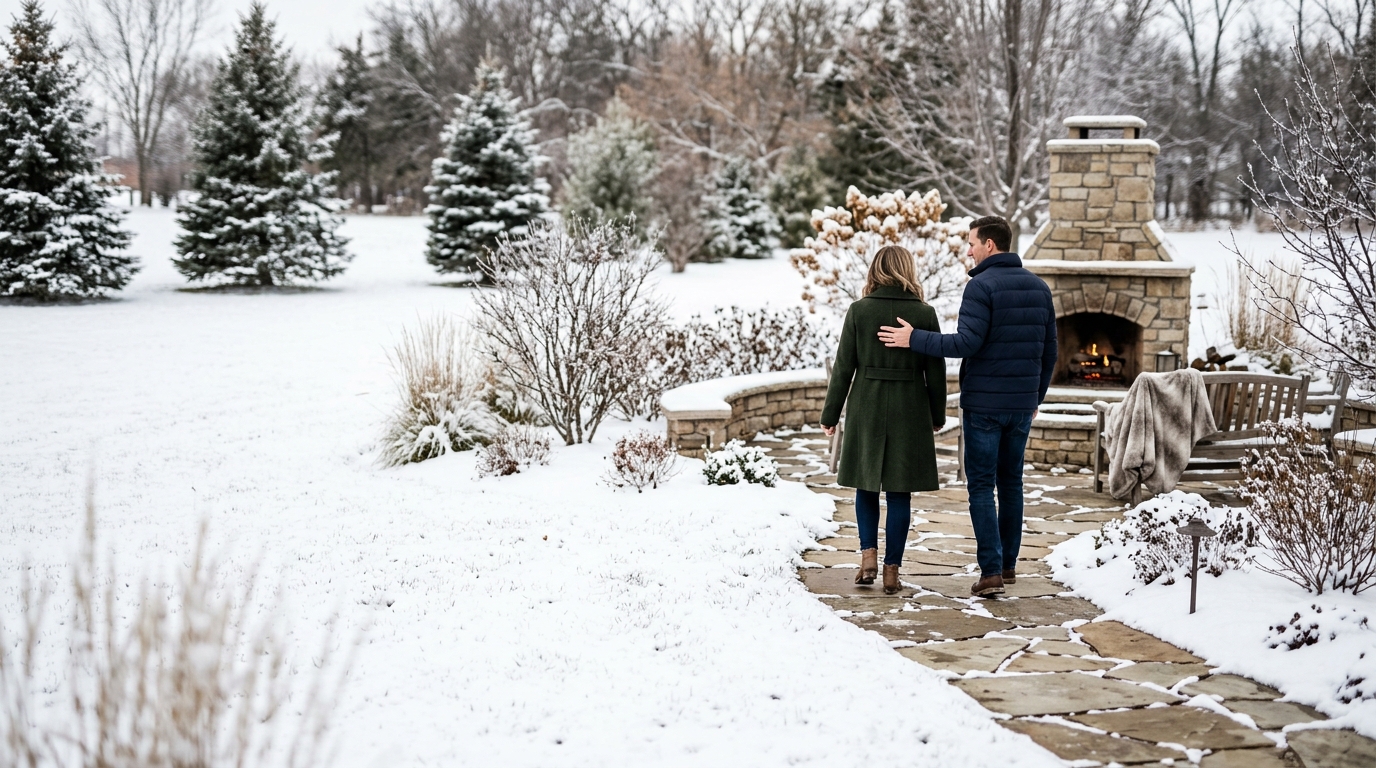
Winter in Iowa can feel long, but it doesn’t have to keep you indoors. In this post, I share how Paul and I learned to embrace “wintering” by designing a landscape that supports both your home and your lawn through the coldest months. According to recent agricultural data, proper winter preparation can reduce spring disease outbreaks by up to 30% in Midwest climates. This guide provides the exact steps to keep your turf healthy from November through March. (Products ndash Heyday Landscaping)
Understanding Winter Dormancy
Grass enters a state of dormancy when soil temperatures drop below 50 degrees Fahrenheit. This is a natural survival mechanism, not a sign of death. During this period, the grass stops growing and conserves energy in its root system. For homeowners in Cedar Rapids and Iowa City, this dormancy typically begins in late November and lasts until early April. (Pavers amp Slabs ndash)
Understanding this cycle is critical because many homeowners make the mistake of trying to force growth during winter. Dormant grass requires zero fertilizer and minimal water. The focus shifts from growth to protection. The primary threats during this time are desiccation from wind, ice sheeting, and physical damage from foot traffic. (Fire Pit Kits ndash)
Heyday Landscaping has served Eastern Iowa since 1991, witnessing countless lawn cycles. We know that the health of your lawn in May is determined by what you do in January. By respecting the dormancy period, you allow the grass to recover from the stress of summer heat and drought.
Essential Fall Preparation Tasks
Winter care actually begins in the fall. The foundation of a healthy winter lawn is laid before the first snow falls. This phase involves several critical maintenance steps that prevent damage during the cold months.
Final Mowing and Blade Height
The final mowing of the season should be slightly lower than your summer height, typically around 2.5 inches. This prevents snow mold, which thrives in tall, matted grass under snow cover. However, do not scalp the lawn. Leaving some leaf material helps insulate the crown of the grass plant.
Aeration and Overseeding
Fall aeration relieves soil compaction, allowing water and nutrients to reach the roots before the ground freezes. Overseeding fills in bare spots that are vulnerable to erosion during spring thaw. These tasks are best completed in early October, before the first hard frost.
Leaf Removal
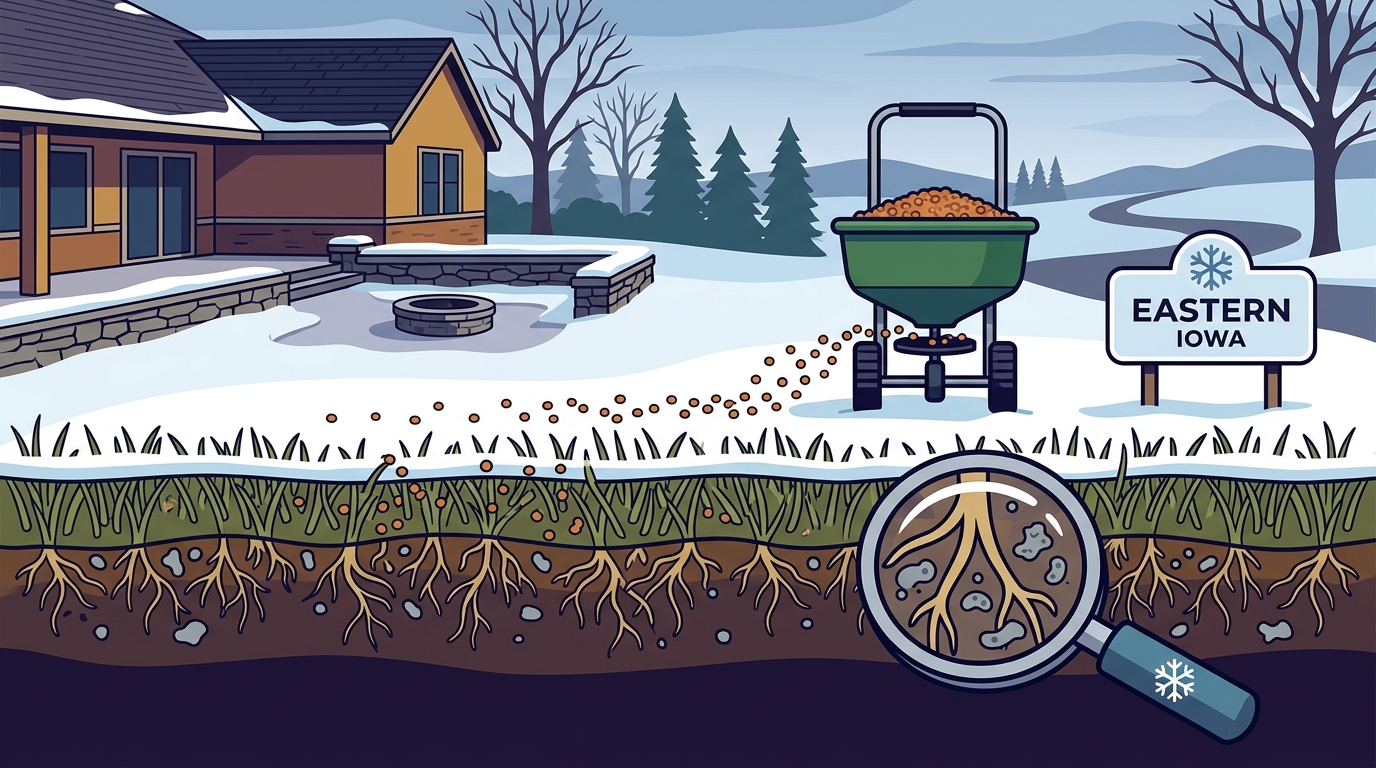
Leaves left on the lawn throughout winter create a suffocating layer that blocks sunlight and traps moisture. This environment promotes fungal diseases and kills the grass underneath. Remove all leaves before the first heavy snowfall. If you have a large property, consider using a mulching mower to chop leaves into small pieces that decompose quickly into the soil.
Snow Management and Ice Control
Snow is not just weather; it is a variable that can either protect or destroy your lawn. A light dusting of snow insulates the grass, keeping it at a consistent temperature. However, heavy, wet snow can mat down the turf, leading to ice sheets that prevent oxygen exchange.
Deicing Products to Avoid
Standard rock salt (sodium chloride) is harmful to grass and surrounding plants. It draws moisture out of the grass blades, causing chemical burn. Instead, use calcium magnesium acetate or sand for traction. These materials melt ice without damaging the turf or the soil structure.
Shoveling Techniques
When shoveling driveways and walkways, avoid piling snow directly onto the lawn. The concentrated weight and subsequent melting can create saturated, anaerobic conditions that kill the grass. If you must pile snow, choose an area with established perennial beds or shrubs that can tolerate the moisture.
Winter Hardscaping Benefits
While the lawn rests, this is the ideal time to enhance your outdoor living space with hardscaping. Retaining walls and paver patios provide durable, low-maintenance surfaces that withstand winter weather without degrading. Unlike grass, these structures do not require watering or fertilizing during the dormant season.
Installing a fire pit or outdoor kitchen during the winter months allows for proper curing of materials before the spring rush. Heyday Landscaping specializes in these installations, ensuring that your outdoor retreat is ready for use as soon as the snow melts. Our team handles the heavy lifting, the logistics, and all the messy work so you can relax.
Consider the long-term value of these investments. Hardscaping projects add significant resale value to your home by creating functional outdoor rooms. They also reduce the amount of lawn you need to maintain, lowering your overall landscape upkeep costs.
Key Takeaways
- Dormancy is Natural: Grass stops growing when soil temps drop below 50°F. Do not try to force growth.
- Final Mow Height: Cut grass to 2.5 inches to prevent snow mold and matting.
- Leaf Removal: Remove all leaves before snowfall to prevent fungal disease and suffocation.
- Ice Control: Avoid rock salt. Use calcium magnesium acetate or sand for traction.
- Snow Piling: Never pile snow directly on the lawn to avoid anaerobic conditions.
- Winter Maintenance: Minimal watering is required. Only water during thaws if the ground is dry.
- Service Area: Heyday Landscaping serves Cedar Rapids, Iowa City, Marion, and surrounding Eastern Iowa communities.
Frequently Asked Questions
Do I need to water my lawn in the winter?
Generally, no. Dormant grass requires very little water. However, during extended thaws in January or February, if the ground is completely dry, a light watering can prevent desiccation from wind. Always check the soil moisture before watering.
What is the best time to aerate my lawn in Iowa?
The best time to aerate is in the fall, specifically early October. This allows the grass to recover before winter dormancy and ensures the soil is workable before it freezes.
Can I walk on my frozen lawn?
Avoid walking on frozen or snow-covered lawns whenever possible. Foot traffic on frozen grass can break the blades and damage the crown. If you must cross the lawn, try to use established paths or paver areas.
How do I prevent snow mold on my lawn?
Prevent snow mold by keeping the lawn clean of leaves and debris before snowfall. Avoid piling snow on the lawn, and ensure proper air circulation by trimming back overhanging branches.
What is Thirsty Earth Temporary Irrigation?
Thirsty Earth is a temporary irrigation system we use to keep plants hydrated during extreme heat or drought. While not used in winter, it is a valuable tool for maintaining plant health during the growing season.
Do you offer snow removal services?
Yes, Heyday Landscaping offers snow removal services for our clients. We prioritize clearing driveways and walkways to prevent ice buildup on your lawn.
How does landscaping add value to my home?
Landscaping can add significant value to your home by improving curb appeal and creating functional outdoor living spaces. Well-maintained lawns and hardscaping are highly attractive to potential buyers.
Ready to Transform Your Outdoor Space?
Don't let winter pass without a plan. Whether you need winter lawn care advice or want to start planning your spring landscape design, Heyday Landscaping is here to help. We have been serving Cedar Rapids, Iowa City, and Eastern Iowa since 1991. Contact us today for a free consultation and let us build the backyard you never want to leave.
Request a Consultation to get started on your project.