
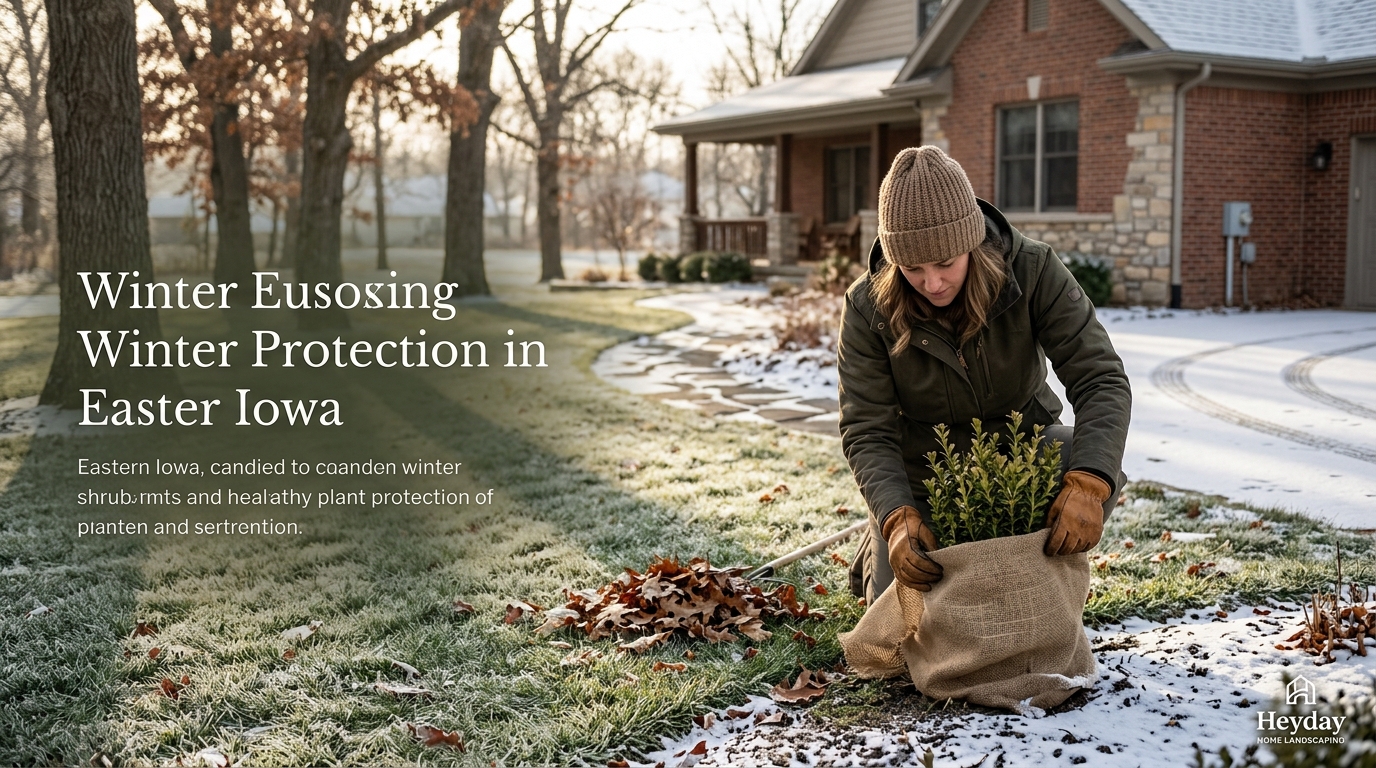
Eastern Iowa experiences harsh winters that can devastate turf if left unprotected. According to the Iowa State University Extension, proper winter preparation is the single most critical factor in ensuring your lawn survives the freeze-thaw cycles common to Cedar Rapids and Iowa City. Without strategic intervention, your grass faces risks ranging from desiccation to fungal diseases. This guide provides a step-by-step protocol for maintaining your lawn through the cold months, leveraging the expertise of Heyday Landscaping to keep your turf healthy and resilient. (Products ndash Heyday Landscaping)
Understanding Winter Dormancy in Zone 5
Before applying any treatments, you must understand the biological state of your grass. Cool-season grasses, which dominate the Eastern Iowa landscape, enter a state of dormancy when soil temperatures drop below 50 degrees Fahrenheit. During this period, the grass stops growing and turns brown or gray. This is a natural survival mechanism, not a sign of death. (Pavers amp Slabs ndash)
However, dormancy does not mean the grass is invulnerable. The primary threats during winter are not the cold itself, but the conditions surrounding it. Desiccation is the process where wind and sun pull moisture from the grass blades faster than the frozen ground can replace it. This is particularly dangerous in areas with little snow cover, which acts as an insulating blanket for the turf.
Another critical concept is ice sheeting. This occurs when snow melts during a warm spell and refreezes into a solid layer of ice. This layer prevents oxygen exchange, effectively suffocating the grass underneath. Understanding these mechanisms is the first step in effective winter lawn care.
Fall Preparation: The Foundation
Winter health is determined in the fall. If you missed fall maintenance, your lawn is already at a disadvantage. However, late-season interventions can still mitigate damage.
Final Mowing Standards
As the growing season ends, you must adjust your mowing height. The final cut of the year should be slightly lower than your summer height, typically around 2.5 inches. This prevents long grass from matting down under heavy snow, which creates a humid environment ideal for fungal growth. Never mow when the grass is wet or frozen, as this can tear the turf and spread disease spores.
Leaf Removal and Debris Clearing
Leaves are the enemy of winter lawns. A thick layer of leaves blocks sunlight and traps moisture against the grass blades. This creates a perfect breeding ground for snow mold, a fungal disease that appears as circular patches of gray or pink mold in the spring. Ensure all leaves are raked or mulched away before the first hard freeze. For detailed guidance on seasonal cleanup, review our Outdoor Edit Blog resources.
Snow Melt Management and De-Icing
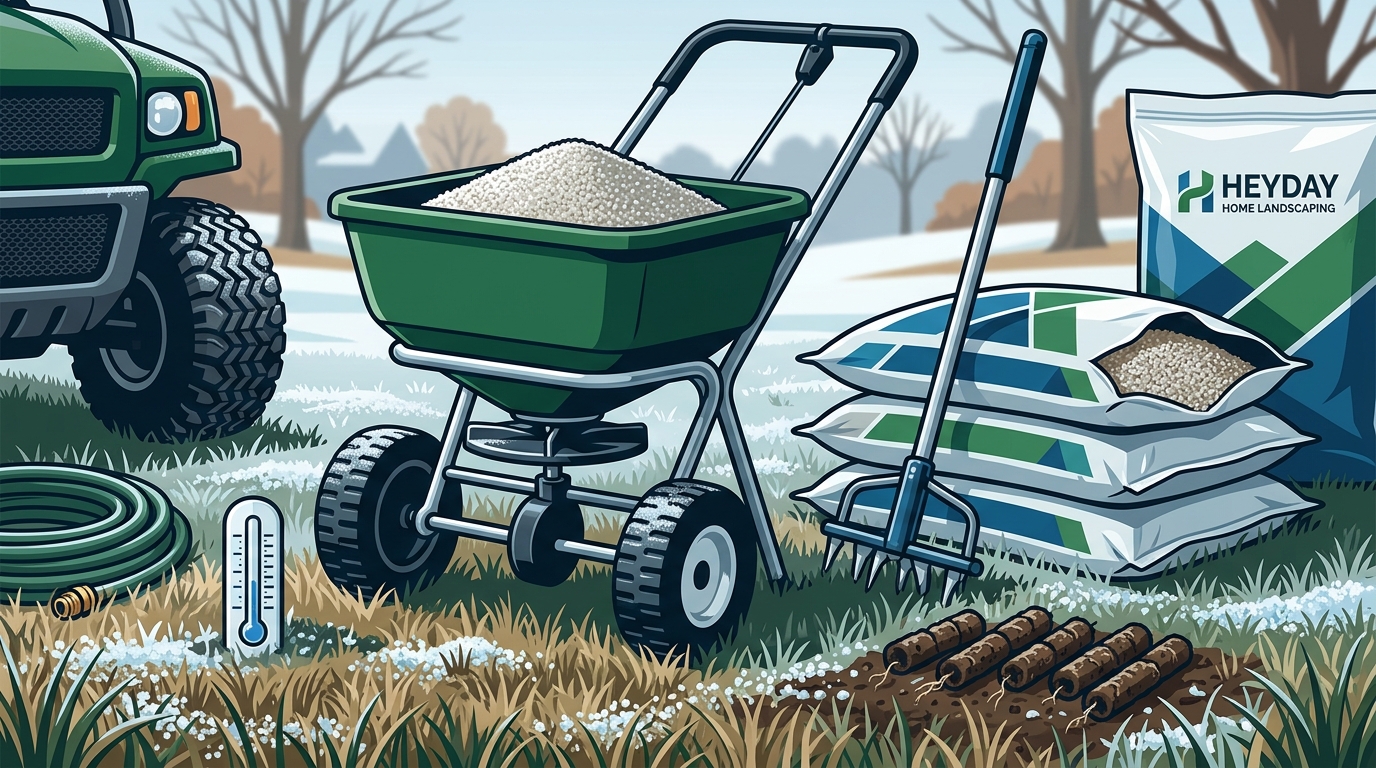
One of the most common mistakes homeowners make is using standard rock salt (sodium chloride) on walkways adjacent to their lawn. Sodium chloride is highly toxic to grass and can cause significant browning or death in the turf near sidewalks and driveways.
Instead, use calcium magnesium acetate (CMA) or sand for traction. CMA is biodegradable and safe for plants, though it is more expensive. If you must use salt, apply it sparingly and sweep up any excess that falls onto the grass. According to the EPA guidelines on salt impacts, excessive chloride runoff can also contaminate local groundwater, making environmentally friendly alternatives a better choice for both your lawn and the ecosystem.
Winter Watering Needs
Many homeowners assume that winter precipitation is sufficient for their lawn. This is a dangerous misconception. When the ground is frozen, grass roots cannot absorb water. If the winter is particularly dry and windy, the grass can dry out even if it is covered in snow.
You must monitor soil moisture levels throughout the winter. If you see a period of thaw where the ground is soft, check the soil moisture. If it is dry, water your lawn deeply. This is especially critical before a forecasted freeze. Wet soil retains heat better than dry soil, protecting the roots from extreme temperature drops. Water only when the temperature is above 40 degrees Fahrenheit to ensure absorption before refreezing.
Snow Removal Protocols
Heavy snow loads can physically damage grass, particularly if it is already weakened by disease or pests. While you cannot prevent snowfall, you can manage its impact.
Avoid Piling Snow on Lawns
When shoveling walkways, do not pile the snow onto your lawn. Deep snow piles create thick layers of insulation that can cause the grass to grow prematurely during thaws. When the snow finally melts, this premature growth is often too weak to support itself, leading to bare patches. Additionally, piled snow can create anaerobic conditions that kill the grass.
Use a Snow Blower Carefully
If you use a snow blower, be mindful of the discharge chute. Directing snow onto flower beds or dense shrubbery can bury them. Keep the discharge area clear of turf to maintain even snow distribution across the yard.
Comparing Winter Maintenance Services
For homeowners in Cedar Rapids, Iowa City, and surrounding areas, DIY winter care is manageable but labor-intensive. Professional services offer specialized equipment and expertise that can save your lawn from irreversible damage.
| Service Type | Scope of Work | Benefit to Winter Lawn | Best For |
|---|---|---|---|
| Snow Removal | Clearing driveways, walkways, and patios | Prevents salt damage and physical compaction | Homeowners with large hardscapes |
| Landscape Design | Strategic planting and grading | Improves drainage and wind protection | New installations or renovations |
| Retaining Walls | Erosion control on slopes | Prevents soil washout during spring thaws | Hilly properties |
| Outdoor Living | Paver patios and fire features | Reduces foot traffic on dormant grass | Entertainment-focused yards |
Heyday Landscaping has served Eastern Iowa since 1991, providing expert craftsmanship in both hardscaping and softscape maintenance. Our team understands the unique microclimates of Marion, Solon, and North Liberty, allowing us to tailor winter care strategies to your specific property.
Key Takeaways
- Dormancy is Natural: Brown grass in winter is normal for cool-season varieties. Do not panic until spring growth fails to return.
- De-Ice Safely: Avoid rock salt near turf. Use sand or calcium magnesium acetate to protect grass roots and local water tables.
- Water on Thaws: If the ground is thawed and the soil is dry, water your lawn to prevent desiccation from winter winds.
- Clear Leaves: Ensure no leaves remain on the lawn before the first freeze to prevent snow mold and fungal diseases.
- Distribute Snow: Do not pile snow on the lawn. Spread it evenly to maintain consistent insulation and prevent anaerobic conditions.
- Final Cut Height: Mow to approximately 2.5 inches for the last time to prevent matting under snow cover.
- Professional Insight: Local expertise matters. Heyday Landscaping has over 30 years of experience in Eastern Iowa's specific climate challenges.
Frequently Asked Questions
Do I need to water my lawn in the winter?
Yes, but only during thaw periods. If the ground is frozen, water cannot penetrate. If you experience a warm, dry spell where the soil is soft, water deeply to prevent the grass from drying out due to wind exposure.
What is the best de-icing product for lawns?
Calcium magnesium acetate (CMA) is the safest option for turf. It is less corrosive and less toxic to plants than sodium chloride (rock salt). Sand is also a safe alternative for traction but provides no de-icing capability.
How do I fix brown patches in my lawn after winter?
First, determine if the grass is dead or dormant. Scratch the grass blades. If they are green inside, it is dormant and will recover. If they are brown and brittle, the grass is dead. You will need to aerate the soil and overseed with a cool-season grass blend in the early fall.
Can I walk on my frozen lawn?
Avoid walking on frozen grass. The ice crystals in the blades can snap off under foot traffic, causing physical damage that leads to thinning and disease entry points. Wait for the snow to melt and the grass to dry before resuming normal activity.
Why does my lawn have pink patches in the spring?
This is likely pink snow mold, a fungal disease that thrives under deep, wet snow cover. It is caused by leaf debris left on the lawn or excessive thatch. Raking leaves in the fall and avoiding heavy snow piles can prevent this.
When should I start fertilizing in the spring?
Wait until the grass has fully greened up and is actively growing. This is typically late April or early May in Eastern Iowa, depending on the temperature. Applying fertilizer too early can lead to excessive top growth that is vulnerable to late frosts.
Contact Heyday Landscaping
Protecting your lawn through the winter requires vigilance and the right techniques. Whether you need snow removal, winter irrigation checks, or spring restoration planning, Heyday Landscaping is your trusted partner in Eastern Iowa. We have been serving Cedar Rapids, Iowa City, and surrounding communities since 1991 with a commitment to quality and craftsmanship.
Ready to secure your lawn's health? Contact Heyday Landscaping today to schedule a consultation or request a quote for our winter maintenance services. Let us handle the heavy lifting so you can enjoy your outdoor space year-round.