
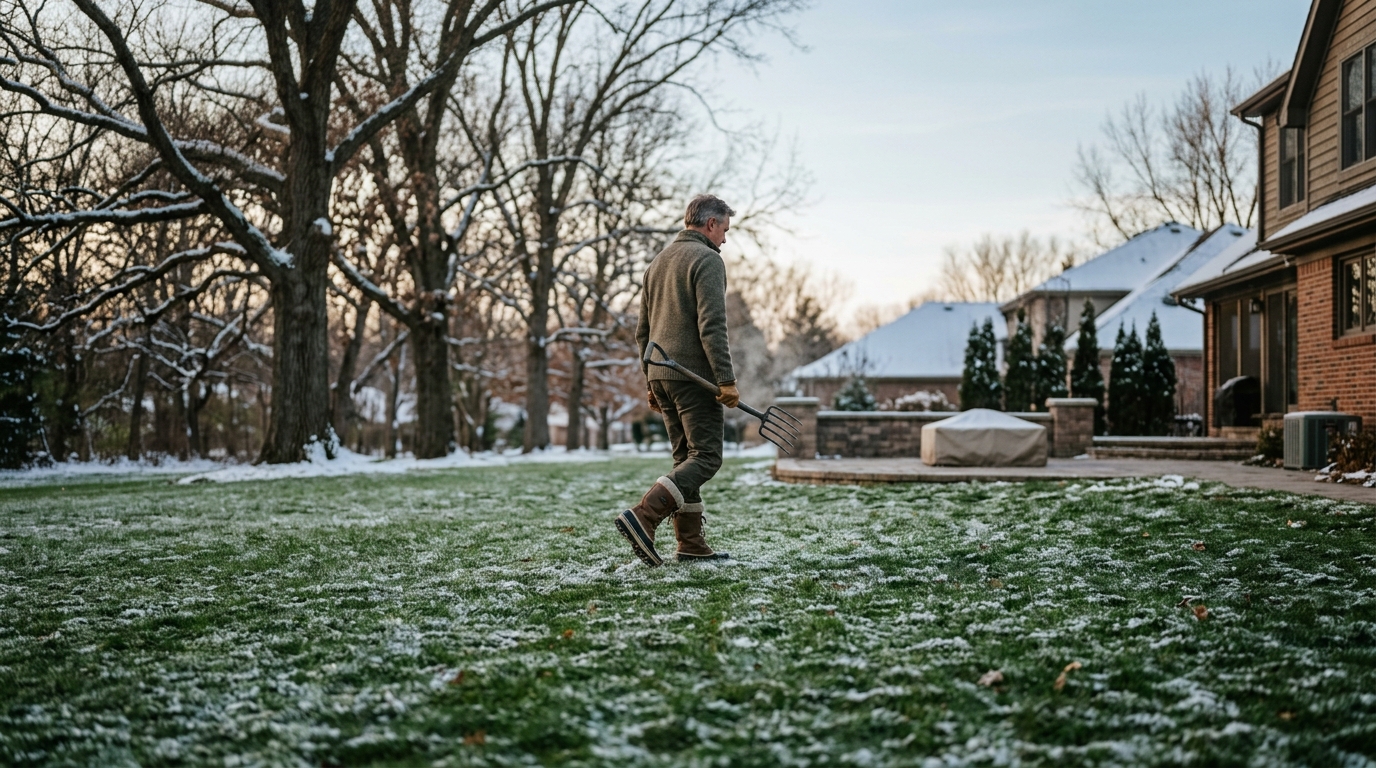
Eastern Iowa winters are notoriously harsh, with temperatures frequently dropping below zero and heavy snowfall covering the ground for months. According to the National Weather Service, the region experiences significant freeze-thaw cycles that can severely damage turf if not managed correctly. A dormant lawn is not a dead lawn, but it requires strategic intervention to survive the cold and emerge vibrant in spring. This guide outlines the essential maintenance protocols for homeowners in Cedar Rapids, Iowa City, and surrounding areas. (Products ndash Heyday Landscaping)
Understanding Winter Dormancy
Before diving into maintenance, it is vital to understand what your lawn is doing. Cool-season grasses, which dominate the Iowa landscape, naturally enter a state of dormancy when soil temperatures drop below 50 degrees Fahrenheit. This is a survival mechanism, not a sign of failure. (Grasses ndash Heyday Landscaping)
Dormancy is a protective state. During this period, the grass blades may turn brown or straw-colored, but the root system remains alive and active underground. The primary goal of winter maintenance is to support the root system and prevent physical damage from snow and ice. Homeowners often panic when they see brown grass, but this is a normal physiological response to cold stress. Understanding this distinction prevents unnecessary and potentially harmful interventions, such as fertilizing too late in the season. (Pavers amp Slabs ndash)
For a deeper look at how local flora adapts to these conditions, you can explore our Plants for Zone 5 resource, which details the hardiness of regional vegetation. (Fire Pit Kits ndash)
Critical Fall Preparation Steps
Winter health is determined in the fall. The most effective winter maintenance begins before the first snowflake falls. Proper fall care sets the foundation for a resilient lawn.
Aeration and Overseeding
Aeration is the process of removing small plugs of soil from the lawn to relieve compaction. Compacted soil prevents water, air, and nutrients from reaching the root zone. In Eastern Iowa, where clay soils are common, compaction is a significant issue. Professional aeration opens up the soil profile, allowing overseeded grass to establish strong roots before winter hits. Overseeding fills in bare spots and introduces newer, more disease-resistant grass varieties.
Final Mowing and Fertilization
Continue mowing until the grass stops growing. The final cut should be slightly lower than usual to prevent snow mold, but never cut more than one-third of the grass blade at a time. Apply a winterizing fertilizer high in potassium, which strengthens cell walls and improves cold tolerance. Avoid high-nitrogen fertilizers in late fall, as they promote tender new growth that will be killed by frost.
If you are unsure about the timing or product selection, our Outdoor Edit Blog offers seasonal insights tailored to Iowa homeowners.
Snow Management and Ice Control
Once snow arrives, your role shifts from active care to protective monitoring. How you manage snow and ice directly impacts lawn health.
Avoid Salt and De-icers
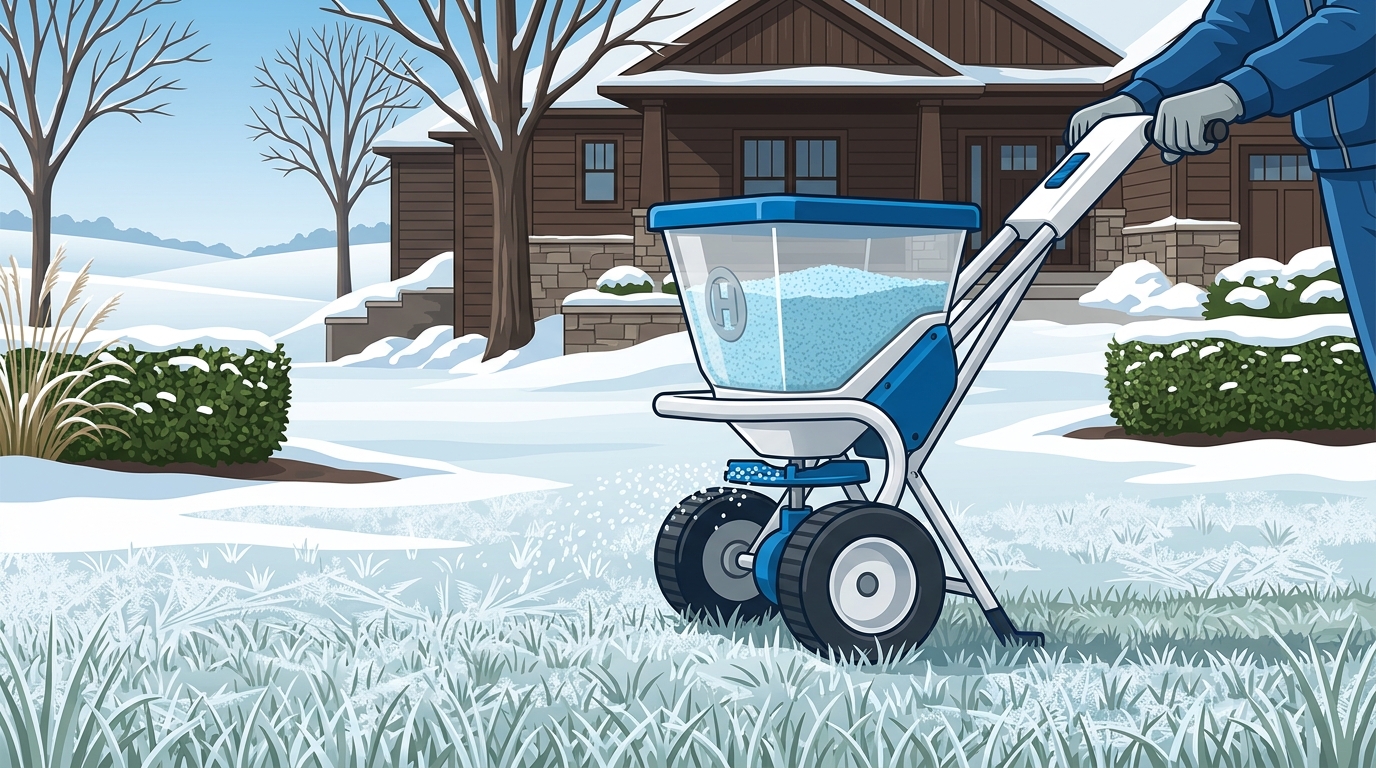
Traditional rock salt (sodium chloride) is devastating to lawns. It draws moisture out of grass blades and roots, causing desiccation and chemical burn. Professional snow removal services in Eastern Iowa often use calcium chloride or magnesium chloride, which are less harmful to vegetation at appropriate application rates. However, the best strategy is to avoid applying any de-icing chemicals directly onto the lawn. Use them only on driveways and walkways, and be careful not to shovel salted snow onto your grass.
Preventing Snow Mold
Snow mold is a fungal disease that thrives under long periods of snow cover. It appears as circular patches of matted, gray or pinkish grass. To prevent this, ensure your lawn is free of debris, such as leaves and branches, before the snow falls. Leaves trap moisture and create a perfect breeding ground for fungi. If you have large trees near your lawn, consider using a leaf blower to keep the grass clear.
Winter Hydration and Windburn
Many homeowners assume that because it is cold, the lawn does not need water. This is a dangerous misconception. Grass does not stop transpiring (losing water) entirely during winter, especially on sunny, windy days.
Winter Drought
When the ground freezes, roots cannot absorb water. However, on sunny winter days, the sun and wind can dry out the grass blades. If the ground is frozen and the grass cannot replenish this lost moisture, it suffers from "winter desiccation" or windburn. The grass blades turn brown and die. This is why proper drainage and hydration are critical. If you experience a dry spell in late winter or early spring, water the lawn when temperatures are above freezing.
Minimize Foot Traffic
When the ground is frozen, the grass blades are brittle. Walking on frozen grass can snap the blades and damage the crown of the plant. Limit access to your lawn as much as possible. Create designated paths for walking and play to protect the rest of the turf.
Equipment Maintenance for Winter
Maintaining your tools ensures they are ready for the spring rush. Neglected equipment can lead to poor lawn health when the season turns.
Blade Sharpening and Cleaning
Sharpen your mower blades before storing them. Dull blades tear grass rather than cutting it, creating jagged edges that are more susceptible to disease and moisture loss. Clean the underside of the mower deck to remove grass clippings and debris, which can cause rust and corrosion during the winter months.
Storage and Fuel Stabilization
Store your equipment in a dry, covered area. If you are storing gas-powered equipment for more than 30 days, add a fuel stabilizer to the tank or run the engine dry. Old fuel can gum up carburetors and make spring startup difficult. For those who prefer low-maintenance outdoor living, consider exploring our outdoor kitchen designs that reduce the need for extensive lawn care in entertaining areas.
Key Takeaways
- Dormancy is normal: Brown grass in winter is a survival state, not a dead lawn. Do not panic or overwater.
- Fall is critical: Aeration and overseeding in the fall are the most effective ways to ensure winter survival.
- Avoid salt: Never apply rock salt to your lawn. Use pet-safe or vegetation-safe de-icers on hardscapes only.
- Watch for snow mold: Keep your lawn free of leaves and debris to prevent fungal growth under snow cover.
- Hydrate in dry spells: Water your lawn during dry winter periods when temperatures are above freezing to prevent windburn.
- Limit traffic: Avoid walking on frozen grass to prevent physical damage to the blades and crowns.
- Maintain equipment: Sharpen blades and stabilize fuel to ensure a healthy start in spring.
Frequently Asked Questions
Should I fertilize my lawn in winter?
No, you should not fertilize during the winter months. The grass is dormant and cannot absorb nutrients. Fertilizing in winter can lead to nutrient runoff into local waterways and may promote disease. The last fertilizer application should be in late fall.
How do I fix brown grass after winter?
First, determine if the grass is dead or dormant. Perform a "tug test." If the grass pulls out easily with its roots, it is dead and needs overseeding. If it resists pulling, it is likely dormant and will green up with warmer temperatures. Rake out dead patches and overseed in early spring.
Is it okay to walk on my frozen lawn?
It is best to avoid walking on frozen grass. The cold makes the blades brittle, and foot traffic can snap them or crush the crowns. Create temporary paths using plywood or mulch if you must access your yard.
What is snow mold and how do I prevent it?
Snow mold is a fungal disease that appears as circular patches of matted grass under snow. Prevent it by keeping your lawn free of debris like leaves and by ensuring good air circulation. Avoid excessive nitrogen fertilization in late fall.
When should I start mowing in spring?
Start mowing when the grass reaches about 3 inches in height and the ground is firm enough to walk on without leaving footprints. Mow when the grass is dry to prevent clumping and disease spread.
Do I need to water my lawn in winter?
Only if there is a prolonged dry spell. If the ground is frozen, water cannot penetrate. If you have a dry period in late winter or early spring when temperatures are above freezing, water the lawn to prevent desiccation.
How does Heyday Landscaping help with winter lawn care?
Heyday Landscaping provides comprehensive fall preparation services, including aeration, overseeding, and snow removal. We help Eastern Iowa homeowners protect their lawns through expert planning and execution. Contact us to schedule your fall consultation.
Ready to Protect Your Lawn?
Winter lawn care is about prevention and patience. By following these steps, you can ensure your lawn survives the Eastern Iowa winter and thrives in the spring. For professional assistance with fall preparation, snow removal, or spring cleanup, trust the experts at Heyday Landscaping. We have been serving Cedar Rapids, Iowa City, and Eastern Iowa since 1991. Request a free consultation today to secure your lawn's health.