
Hardscaping Material Costs and Long-Term Value for Residential Landscapes
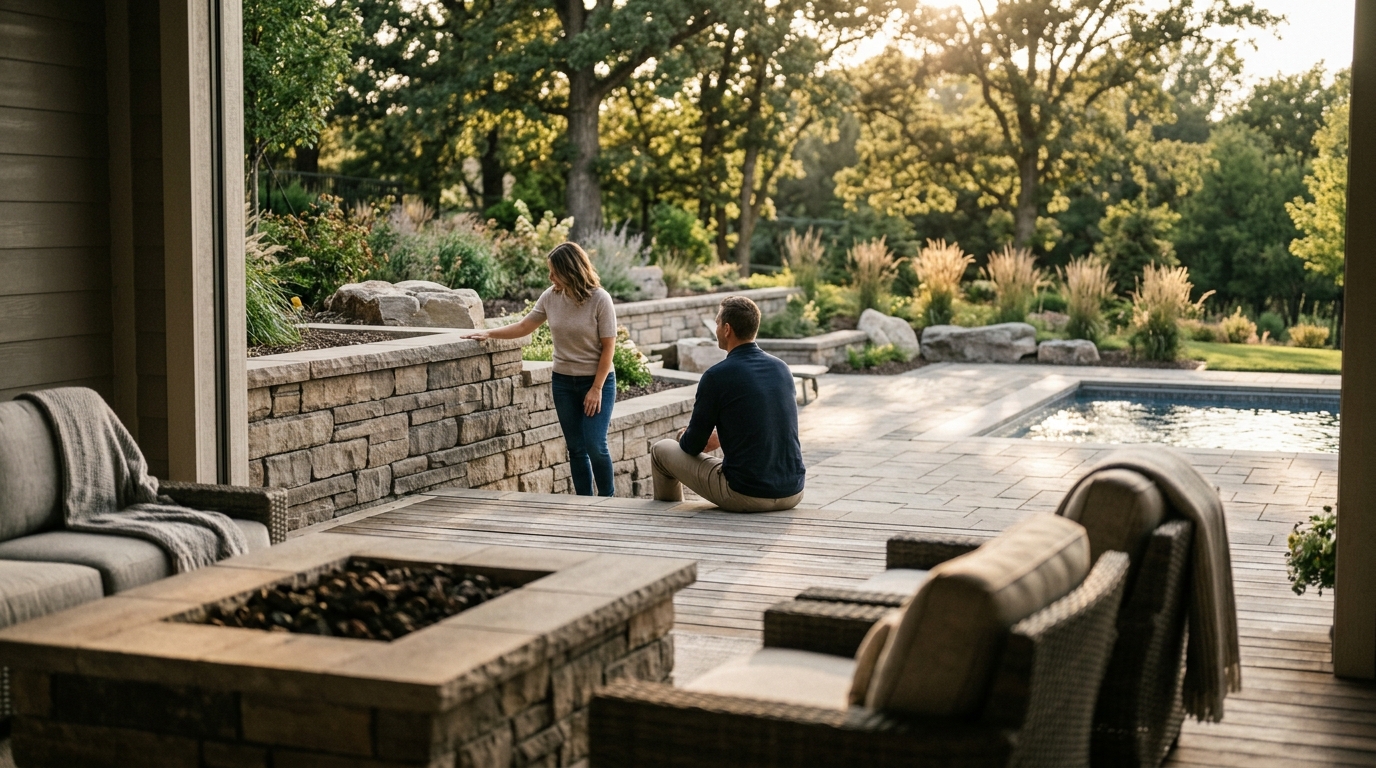
Investing in outdoor living spaces has shifted from a luxury to a standard expectation for homeowners in Eastern Iowa. According to recent industry data, professional landscaping projects can increase residential property values by up to 15 percent, with hardscaping elements like paver patios and retaining walls offering the highest return on investment. This financial reality makes understanding the true cost of materials essential for any homeowner planning a backyard transformation. (Products ndash Heyday Landscaping)
Understanding Hardscaping Costs
Hardscaping refers to the non-living elements of a landscape design. This includes patios, walkways, retaining walls, and outdoor structures. Unlike softscaping, which involves plants and soil, hardscaping provides the structural foundation for outdoor living. The cost of these projects varies significantly based on material selection, site complexity, and labor requirements.
For homeowners in Cedar Rapids and Iowa City, the climate plays a major role in material longevity. Freeze-thaw cycles can damage inferior materials, leading to costly repairs. Therefore, selecting durable materials is not just about aesthetics but also about long-term financial protection. Professional landscape design ensures that these structural elements are built to withstand local weather conditions while maximizing property value.
Paver Patio and Pathway Economics
Paver patios are among the most popular hardscaping investments. They offer a blend of durability, aesthetic flexibility, and ease of repair. The cost of paver installations depends on the type of paver chosen, the pattern complexity, and the base preparation required.
Concrete vs. Natural Stone Pavers
Concrete pavers are generally more affordable than natural stone. They offer consistent coloring and shape, making installation faster and more predictable. Natural stone, such as bluestone or limestone, provides a unique, high-end look but comes with a higher price tag due to material scarcity and cutting labor.
According to market analysis, concrete pavers can last 25 to 30 years with proper maintenance, while natural stone can last a lifetime. The initial investment in natural stone is higher, but the long-term value often justifies the cost for homeowners seeking a permanent upgrade. Explore our paver collection to see the range of options available for your project.
Installation and Maintenance Costs
Proper installation is critical for paver longevity. This includes excavation, base layer compaction, and joint sand application. Poor installation can lead to settling, weed growth, and uneven surfaces. Regular maintenance, such as re-sanding joints and sealing the surface, can extend the life of the patio and keep it looking new.
Retaining Wall Value Proposition
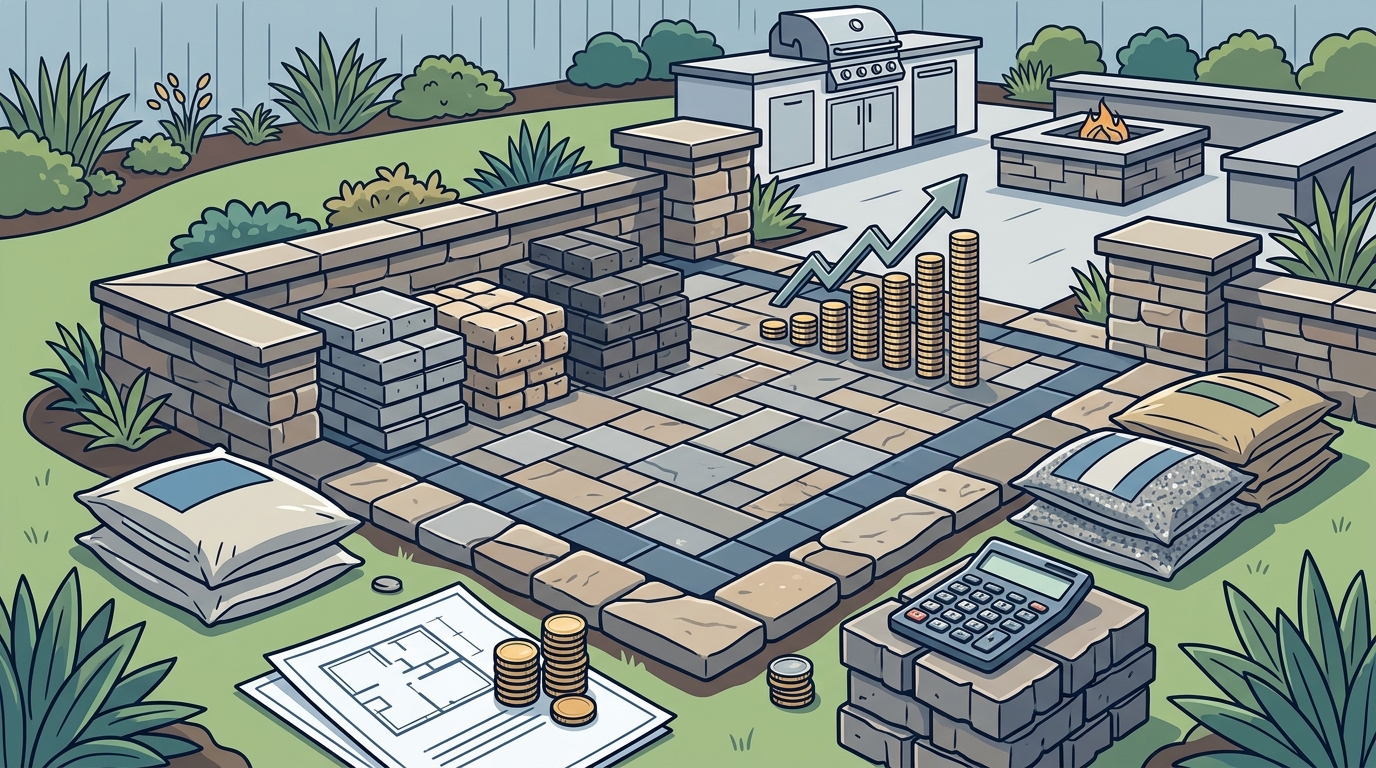
Retaining walls serve both functional and aesthetic purposes. They prevent soil erosion on sloped yards and create usable flat spaces for patios or gardens. The cost of retaining walls varies based on the height, material, and engineering requirements.
Segmented concrete blocks are a common choice for residential retaining walls. They are cost-effective and easy to install. However, for taller walls or those supporting significant weight, engineering and reinforcement may be necessary, increasing the overall cost. Learn more about retaining wall services to understand how we handle complex terrain.
Long-Term Durability
Retaining walls are subject to constant pressure from the soil behind them. High-quality materials and proper drainage installation are essential to prevent failure. A well-built retaining wall can last decades, providing continuous value by protecting your home and enhancing your yard's usability.
Outdoor Kitchen Infrastructure
Outdoor kitchens are a premium hardscaping investment. They combine the functionality of an indoor kitchen with the enjoyment of outdoor living. The cost includes not only the structure but also the installation of gas, water, and electrical lines.
Materials for outdoor kitchens include stainless steel, stone, and tile. Each material has different durability and maintenance requirements. Stainless steel is resistant to rust and easy to clean, while stone offers a custom, high-end look. Discover our outdoor kitchen designs to see how we integrate these elements seamlessly.
ROI on Outdoor Living
Outdoor kitchens significantly increase the appeal of a home to potential buyers. They extend the living space of the home, making it more functional for entertaining. According to real estate trends, homes with high-quality outdoor kitchens sell faster and at higher prices than those without.
Material Comparison Matrix
The following table compares common hardscaping materials based on cost, durability, and maintenance requirements.
| Material | Estimated Cost Range | Lifespan | Maintenance Level | Best For |
|---|---|---|---|---|
| Concrete Pavers | $$ | 25-30 Years | Low | Budget-friendly patios |
| Natural Stone | $$$ | 50+ Years | Medium | High-end aesthetics |
| Concrete Blocks | $$ | 30+ Years | Low | Sloped yards |
| Stainless Steel | $$$$ | 20+ Years | Medium | Outdoor kitchens |
Key Takeaways
- Hardscaping can increase home value by up to 15 percent, with patios and walls offering the best ROI.
- Concrete pavers provide a cost-effective alternative to natural stone with a lifespan of 25 to 30 years.
- Retaining walls are essential for sloped yards in Eastern Iowa, preventing erosion and creating usable space.
- Outdoor kitchens require significant infrastructure investment but add substantial entertainment value.
- Climate-resistant materials are crucial for longevity in the Midwest freeze-thaw cycle.
- Professional installation ensures proper drainage and structural integrity, reducing long-term repair costs.
- Heyday Landscaping has served Cedar Rapids and Iowa City since 1991, bringing decades of expertise to every project.
Frequently Asked Questions
How much does a paver patio cost?
The cost of a paver patio varies based on size, material, and design complexity. On average, homeowners can expect to pay between $15 and $30 per square foot for professional installation.
Do retaining walls require permits?
Permit requirements depend on the height and location of the wall. In many cases, walls over four feet require engineering and permits. Contact us to check local regulations.
What is the most durable hardscaping material?
Natural stone is generally the most durable material, lasting a lifetime with minimal maintenance. However, high-quality concrete pavers also offer excellent longevity and resistance to weathering.
Can I add an outdoor kitchen to an existing patio?
Yes, it is possible to add an outdoor kitchen to an existing patio. However, it requires careful planning to integrate utilities and ensure structural support. Our design team can assess your space for feasibility.
How does climate affect hardscaping costs?
Climate affects material selection and installation techniques. In colder regions like Iowa, materials must withstand freeze-thaw cycles, which may increase initial costs but reduce long-term repairs.
What maintenance do paver patios require?
Paver patios require periodic re-sanding of joints and occasional sealing to maintain their appearance and stability. This low maintenance helps preserve their value over time.
Is it worth investing in high-end hardscaping?
Yes, high-end hardscaping adds significant aesthetic and functional value to a home. It extends living space and improves curb appeal, often resulting in a higher resale price.
Start Your Project
Ready to transform your backyard into a functional and beautiful retreat? Heyday Landscaping offers expert design and installation services for all your hardscaping needs. From paver patios to outdoor kitchens, we bring your vision to life. Request a free consultation today and discover the long-term value of professional hardscaping.