
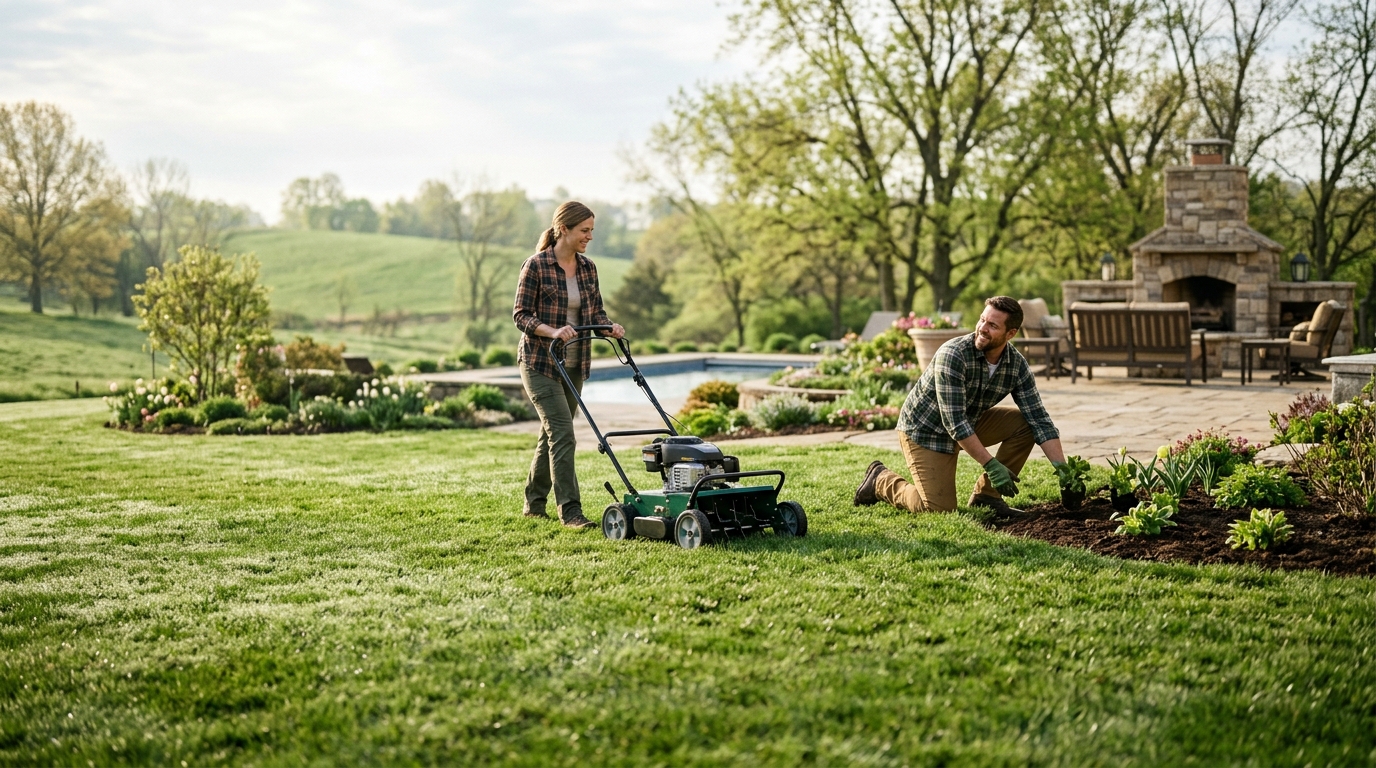
Spring in Eastern Iowa brings a mix of thawing ground and unpredictable weather patterns that can stress your turf if ignored. According to recent agricultural data, proper early-season lawn care can increase grass resilience by up to 30% against summer drought conditions. At Heyday Landscaping, we have served Cedar Rapids, Iowa City, and surrounding areas since 1991, witnessing firsthand how critical early preparation is for long-term lawn health. This guide outlines the essential steps to transition your yard from winter dormancy to vibrant green growth. (Products ndash Heyday Landscaping)
Step 1: Assess Winter Damage and Debris
The first phase of spring lawn care involves a thorough visual inspection. Winter in Iowa can be harsh, leaving behind debris, dead leaves, and potential ice damage. Debris removal is critical because it blocks sunlight and traps moisture, leading to fungal diseases like snow mold. Walk your entire property, including under trees and near fence lines, to collect sticks, stones, and old mulch.
Look for signs of rodent damage or bare patches where snow melted unevenly. These areas require immediate attention before new growth begins. If you have extensive damage, consider consulting with a professional landscaping team to evaluate the scope of repair needed.
Step 2: Clean and Aerate the Soil
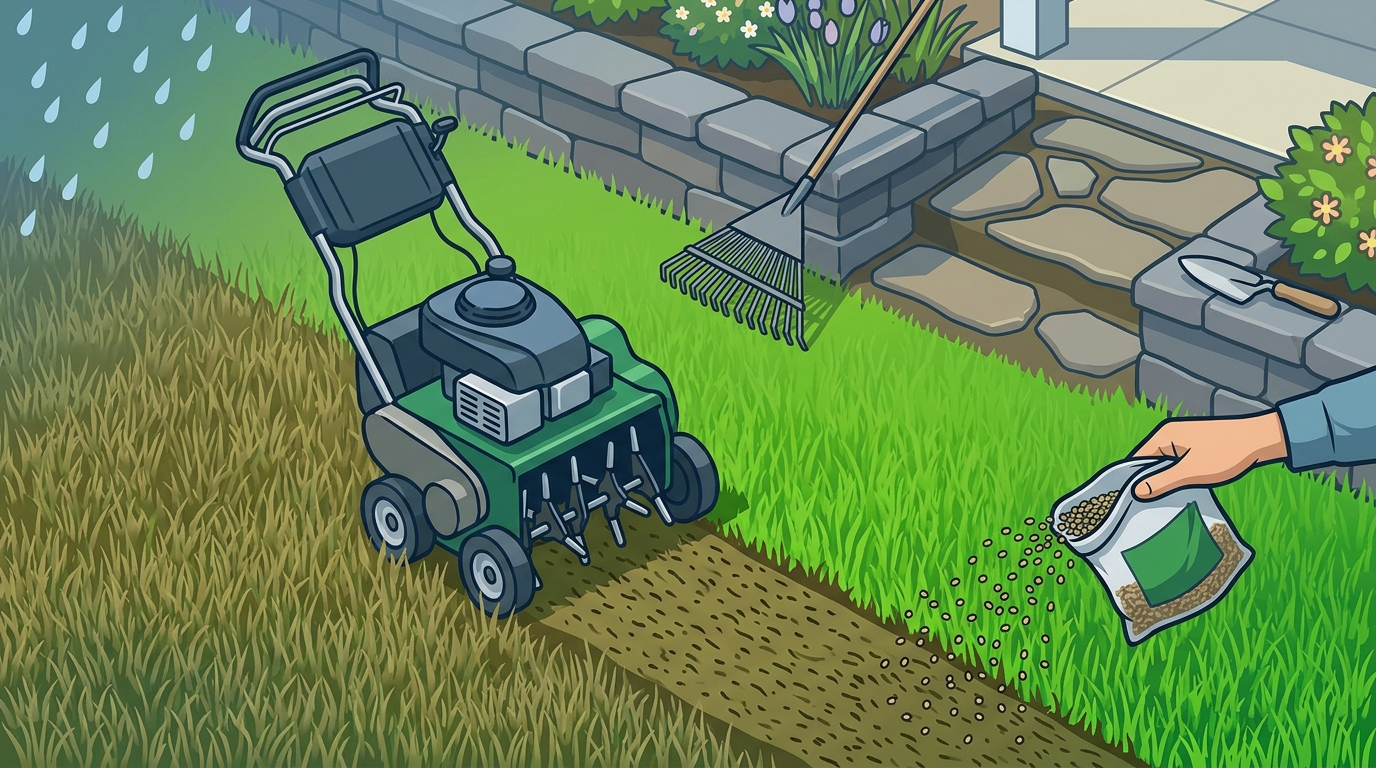
After clearing debris, the next step is soil aeration. Over winter, soil compacts under the weight of snow and ice, restricting oxygen flow to grass roots. Aeration involves perforating the soil with small holes to allow air, water, and nutrients to penetrate the grass roots. This process is especially vital in clay-heavy soils common in Eastern Iowa.
You can rent a core aerator or hire a service to perform this task. For those interested in enhancing their outdoor spaces beyond the lawn, exploring paver patio installations can also help manage water runoff and reduce soil compaction in high-traffic areas.
Step 3: Apply Pre-Emergent and Fertilizer
Timing is everything when it comes to chemical applications. Apply a pre-emergent herbicide before crabgrass seeds germinate, which typically occurs when soil temperatures consistently reach 55 degrees Fahrenheit. According to university extension studies, early application prevents up to 90% of crabgrass emergence. Follow this with a balanced starter fertilizer to provide essential nitrogen, phosphorus, and potassium for root development.
For those managing larger properties or complex drainage issues, professional water drainage solutions can complement your fertilization strategy by ensuring nutrients do not wash away during spring rains.
Step 4: Overseed Thin Spots
Identify bare or thin areas where grass failed to survive the winter. Overseeding fills these gaps with fresh grass seed, promoting a dense turf that naturally resists weeds. Choose a seed mix appropriate for your specific zone, such as cool-season grasses like Kentucky Bluegrass or Fescue, which thrive in Iowa’s climate.
When selecting plants for your landscape, consider plants for Zone 5 to ensure compatibility with your local growing conditions. Proper seeding techniques include lightly raking the soil, spreading the seed, and covering it with a thin layer of compost or straw to retain moisture.
Step 5: Establish a Watering Routine
As temperatures rise, your lawn will begin to green up and require consistent moisture. However, overwatering can lead to shallow root systems and disease. Deep, infrequent watering is more effective than frequent light sprinklings. Aim for about one inch of water per week, including rainfall.
If you are looking to automate this process, consider installing Thirsty Earth Temporary Irrigation systems, which are designed to provide efficient, targeted hydration without the permanence of traditional in-ground systems.
Step 6: Adjust Mowing Habits
2Do not rush to mow your lawn as soon as it greens up. Wait until the grass is about one-third taller than your desired height. For most cool-season grasses, this means setting your mower blade to 3 to 4 inches. High mowing encourages deeper roots and helps the grass withstand heat and drought stress later in the year.
Always keep your mower blades sharp to tear the grass less, which reduces stress and disease susceptibility. For those who enjoy outdoor cooking, maintaining a pristine lawn around your outdoor kitchen areas enhances the overall aesthetic of your entertainment space.
Step 7: Inspect Hardscape Features
Spring is the ideal time to inspect your hardscape elements for winter damage. Check retaining walls for shifting or bulging, which can indicate drainage issues behind the wall. Retaining walls work hard to protect your yard from erosion, but they require maintenance to remain stable.
Inspect paver patios for heaving or sinking, which can occur due to freeze-thaw cycles. If you need to repair or upgrade your outdoor living areas, our retaining wall services ensure structural integrity and visual appeal. Additionally, check fire features for cracks or debris that may have accumulated during the winter months.
Comparison of Spring Lawn Care Methods
| Method | Best For | Frequency | Professional Help Needed? |
|---|---|---|---|
| Core Aeration | Compacted clay soils | Once per year | No (DIY or Pro) |
| Pre-Emergent Application | Crabgrass prevention | Once per spring | No (DIY) |
| Overseeding | Bare or thin patches | Annually or bi-annually | No (DIY) |
| Retaining Wall Repair | Erosion control | As needed | Yes (Professional) |
| Thirsty Earth Irrigation | Temporary hydration | Seasonal | No (DIY) |
Key Takeaways
- Heyday Landscaping has served Eastern Iowa since 1991, specializing in comprehensive outdoor solutions.
- Early spring lawn care can increase grass resilience by up to 30% against summer stress.
- Core aeration is essential for breaking up compacted soil caused by winter snow and ice.
- Pre-emergent herbicides should be applied when soil temperatures reach 55 degrees Fahrenheit.
- Overseeding with Zone 5 compatible grasses helps fill bare patches and improve turf density.
- Thirsty Earth Temporary Irrigation offers a flexible solution for seasonal watering needs.
- Regular inspection of retaining walls and pavers prevents costly structural damage later in the year.
Frequently Asked Questions
When is the best time to aerate my lawn in Iowa?
The best time to aerate is in early spring, just as the grass begins to green up and grow actively. This allows the lawn to recover quickly from the stress of aeration.
How do I know if my lawn needs overseeding?
If you see bare patches, thin areas, or increased weed growth, your lawn likely needs overseeding. A simple tug test can also help; if grass pulls up easily, the roots are weak.
What is Thirsty Earth Temporary Irrigation?
Thirsty Earth Temporary Irrigation is a flexible, above-ground watering system designed to provide efficient hydration for lawns and gardens without the need for permanent in-ground pipes.
Can I install a paver patio in the spring?
Yes, spring is an excellent time to start planning and installing paver patios, as the ground is thawing and workable, allowing for proper base preparation.
How often should I fertilize my lawn?
Typically, lawns benefit from three to four fertilizations per year, including a spring starter fertilizer and summer maintenance feeds. Always follow local extension recommendations.
What should I do if my retaining wall is bulging?
If your retaining wall is bulging, it may indicate drainage failure or structural compromise. Contact a professional immediately to assess the damage and prevent further erosion.
How do I prevent snow mold in my lawn?
Prevent snow mold by removing debris before the first snowfall and ensuring proper air circulation. If mold appears, rake the affected areas gently to break up the mat and allow sunlight to penetrate.
Ready to Transform Your Outdoor Space?
Preparing your lawn for spring is just the beginning of creating a beautiful, functional outdoor environment. Whether you need expert landscaping design, pool installations, or seasonal maintenance, Heyday Landscaping is here to help. Contact us today to schedule your free consultation and take the first step toward your dream backyard.