
How to Choose a Garden Design Service for Your Commercial Property
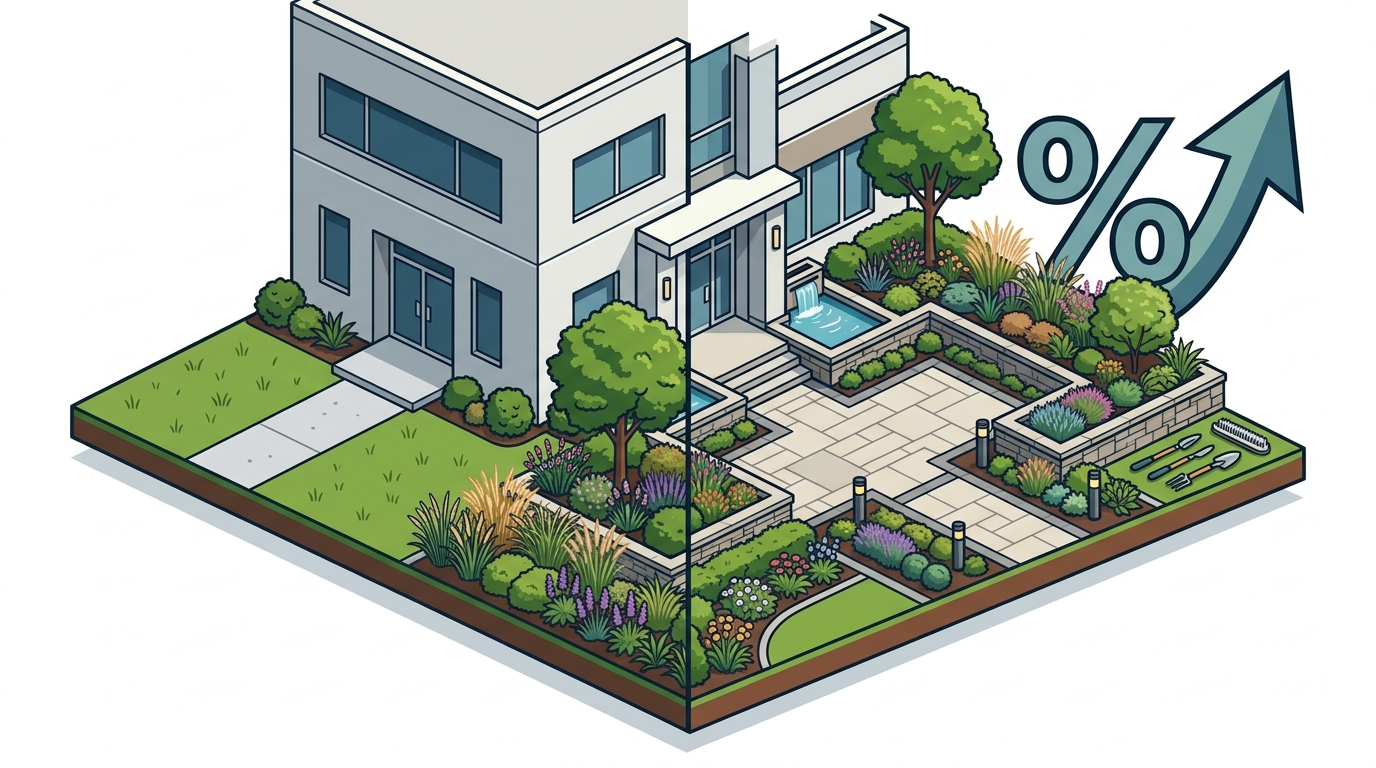
Commercial landscaping is no longer just about keeping the grass cut and the hedges trimmed. It is a strategic asset that influences tenant retention, brand perception, and property value. According to recent industry data, well-designed outdoor spaces can increase commercial property values by up to 15 percent. This statistic highlights why property managers and business owners are shifting their focus from basic maintenance to high-impact design. Choosing the right partner requires more than just comparing quotes. It demands a deep understanding of your specific operational needs, local climate challenges, and long-term aesthetic goals. (Products ndash Heyday Landscaping)
Understanding Commercial Landscaping Needs
Before you contact a single vendor, you must define the scope of your project. Commercial properties differ significantly from residential ones in terms of scale, usage, and regulatory compliance. A garden design service for a corporate campus has different priorities than one for a retail plaza or a multi-family residential complex. (Pavers amp Slabs ndash)
Commercial Landscaping is the strategic planning and maintenance of outdoor spaces for business properties to enhance brand image and functionality. This definition underscores the business-first approach required for commercial clients. You are not just buying plants; you are buying an environment that supports your operational goals. (Fire Pit Kits ndash)
Consider the following core requirements for your property:
- Foot Traffic Management: High-traffic areas require durable hardscaping materials like pavers or reinforced concrete. These materials withstand heavy use while maintaining aesthetic appeal.
- Brand Alignment: Your landscape should reflect your corporate identity. A tech firm might prefer sleek, modern lines and native grasses, while a hospitality venue might opt for lush, inviting gardens with fire features.
- Regulatory Compliance: Ensure your design service understands local zoning laws, stormwater management requirements, and accessibility standards such as the ADA.
Evaluating Design Capabilities and Technology
The gap between a good design and a great one often lies in the technology used during the planning phase. Top-tier design services leverage advanced tools to visualize outcomes before a single shovel hits the ground. This reduces risk and ensures alignment between your vision and the final result.
When interviewing potential partners, ask about their design workflow. Do they offer 2D blueprints, or do they provide immersive 3D renderings? 3D visualization allows stakeholders to walk through the proposed space virtually. This clarity prevents costly changes during construction and ensures that every element, from lighting to plant placement, serves a purpose.
Landscape Design is the creative process of planning outdoor spaces to achieve aesthetic, functional, and environmental goals. Look for firms that integrate this process with your specific budget and timeline. A rigid design that ignores budget constraints will fail. A flexible design that adapts to financial realities will succeed.
Assessing Local Expertise and Climate Resilience
Geography dictates survival. A design service that excels in a humid subtropical climate may struggle in a continental climate with harsh winters. Local expertise is non-negotiable for commercial properties because it directly impacts long-term maintenance costs and plant health.
For example, in regions with distinct seasons, selecting plants that thrive in specific hardiness zones is critical. Hardiness Zones are geographic areas defined by their average annual minimum winter temperatures, used to determine plant suitability. A local expert knows which species will survive the freeze and which will require excessive winter protection.
Furthermore, local firms understand regional soil compositions and drainage patterns. Poor drainage can lead to standing water, which damages foundations and creates safety hazards. A service with deep local roots will propose solutions like French drains or permeable pavers that address these specific geographic challenges.
Comparing Service Models and Maintenance
Design is only the beginning. The long-term success of your commercial garden depends on consistent, high-quality maintenance. Many design-build firms offer integrated maintenance packages, which simplifies accountability. When the same team that designed the space maintains it, they understand the original intent and can preserve the design integrity.
Consider the following maintenance models:
- Full-Service Contract: The vendor handles all aspects of care, from pruning to seasonal color changes. This is ideal for properties with limited internal staff.
- Seasonal Turnover: The vendor provides intensive care during peak growing seasons, with lighter maintenance in winter. This can reduce costs for properties in colder climates.
- Specialized Irrigation Management: Advanced irrigation systems, such as temporary or permanent smart irrigation, require specialized knowledge to operate efficiently. Ensure your vendor can manage these systems to prevent water waste.
Water Drainage is the systematic removal of excess surface water from a property to prevent damage and maintain safety. Effective drainage is a critical component of any commercial landscape. Ask your potential vendor how they plan to manage stormwater runoff. Do they use bioswales, rain gardens, or traditional piping? The right solution protects your property and complies with environmental regulations.
Key Vendor Metrics to Evaluate
To make an objective decision, compare vendors against these specific metrics. Use the table below to score each candidate based on your property's unique needs.
| Vendor Metric | Why It Matters | Questions to Ask |
|---|---|---|
| Design Technology | Ensures accurate visualization and reduces change orders. | Do you provide 3D renderings? Can we see examples of past projects? |
| Local Climate Knowledge | Impacts plant survival rates and long-term maintenance costs. | Which plants do you recommend for our specific hardiness zone? |
| Maintenance Integration | Simplifies accountability and ensures design longevity. | Do you offer ongoing maintenance contracts? What is included? |
| Insurance and Licensing | Protects you from liability in case of accidents or damage. | Can you provide proof of general liability and workers' compensation insurance? |
| Portfolio Relevance | Demonstrates experience with similar property types and scales. | Can you share case studies of commercial projects similar to ours? |
Key Takeaways
- Strategic Value: Commercial landscaping can increase property values by up to 15 percent, making it a financial investment, not just an expense.
- Technology Matters: Firms offering 3D renderings provide greater clarity and reduce the risk of costly design errors during construction.
- Local Expertise is Critical: Understanding hardiness zones and local soil conditions ensures plant survival and reduces long-term maintenance costs.
- Integrated Maintenance: Choosing a design-build firm with maintenance capabilities simplifies accountability and preserves design integrity.
- Drainage Solutions: Effective water drainage systems, such as permeable pavers or bioswales, are essential for protecting property foundations.
- Brand Alignment: Your landscape should reflect your corporate identity, whether that is modern, rustic, or traditional.
- Due Diligence: Always verify insurance, licensing, and relevant commercial portfolio experience before signing a contract.
Frequently Asked Questions
How long does it take to design a commercial landscape?
The design phase typically takes four to eight weeks, depending on the complexity of the site and the level of detail required in the 3D renderings. Construction timelines vary based on season and scope.
What is the difference between residential and commercial landscaping design?
Commercial design focuses on durability, brand alignment, and high-traffic management. Residential design prioritizes personal aesthetic preferences and smaller-scale functionality.
Do you offer sustainable irrigation options?
Yes, we offer advanced irrigation solutions, including temporary and permanent smart systems, to optimize water usage and reduce environmental impact.
How do you handle stormwater management?
We integrate drainage solutions such as French drains, permeable pavers, and bioswales to manage runoff effectively and comply with local regulations.
Can you design a landscape that requires minimal maintenance?
Absolutely. We specialize in low-maintenance designs using native plants and durable hardscaping materials that reduce the need for frequent upkeep.
What plants are best for commercial properties in Zone 5?
Plants like catmint, purple coneflower, and black-eyed Susan are excellent choices for Zone 5. They are hardy, require minimal care, and provide reliable seasonal color.
Do you provide ongoing maintenance services?
Yes, we offer comprehensive maintenance packages tailored to your property's needs, including seasonal cleanups, pruning, and irrigation management.
How do I know if a design firm is right for my business?
Evaluate their portfolio, ask about their design technology, and check their local expertise. A firm that understands your specific climate and brand goals is the best fit.
Next Steps
Transform your commercial property into a strategic asset. Whether you need a sleek paver patio for your corporate campus, a robust drainage system for your retail plaza, or a lush garden for your hospitality venue, the right design service can make it happen. We handle the heavy lifting, the logistics, and all the messy work so you can focus on your business.
Ready to start your project? Contact Heyday Landscaping today for a free consultation. Let us build the outdoor space your business deserves.