
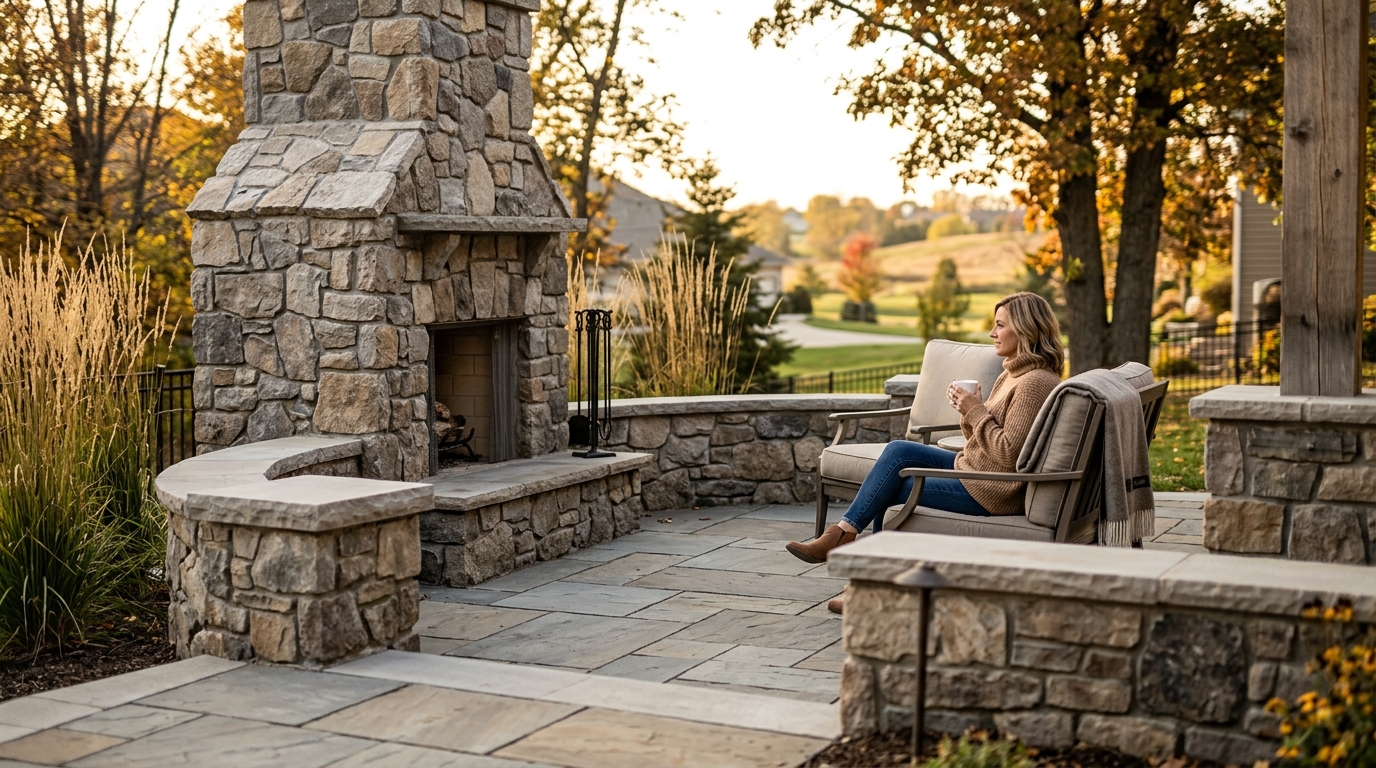
Homeowners in Eastern Iowa face unique environmental challenges that directly impact the longevity of their outdoor investments. According to recent climate data, the region experiences significant freeze-thaw cycles that can cause standard concrete to crack and heave within a few years. This reality makes selecting the right hardscaping materials not just an aesthetic choice, but a critical structural decision. At Heyday Landscaping, we have spent over three decades analyzing how local weather patterns interact with various construction materials to determine which options offer the best durability and value for residential properties. (Products ndash Heyday Landscaping)
Paver Patios and Pathways
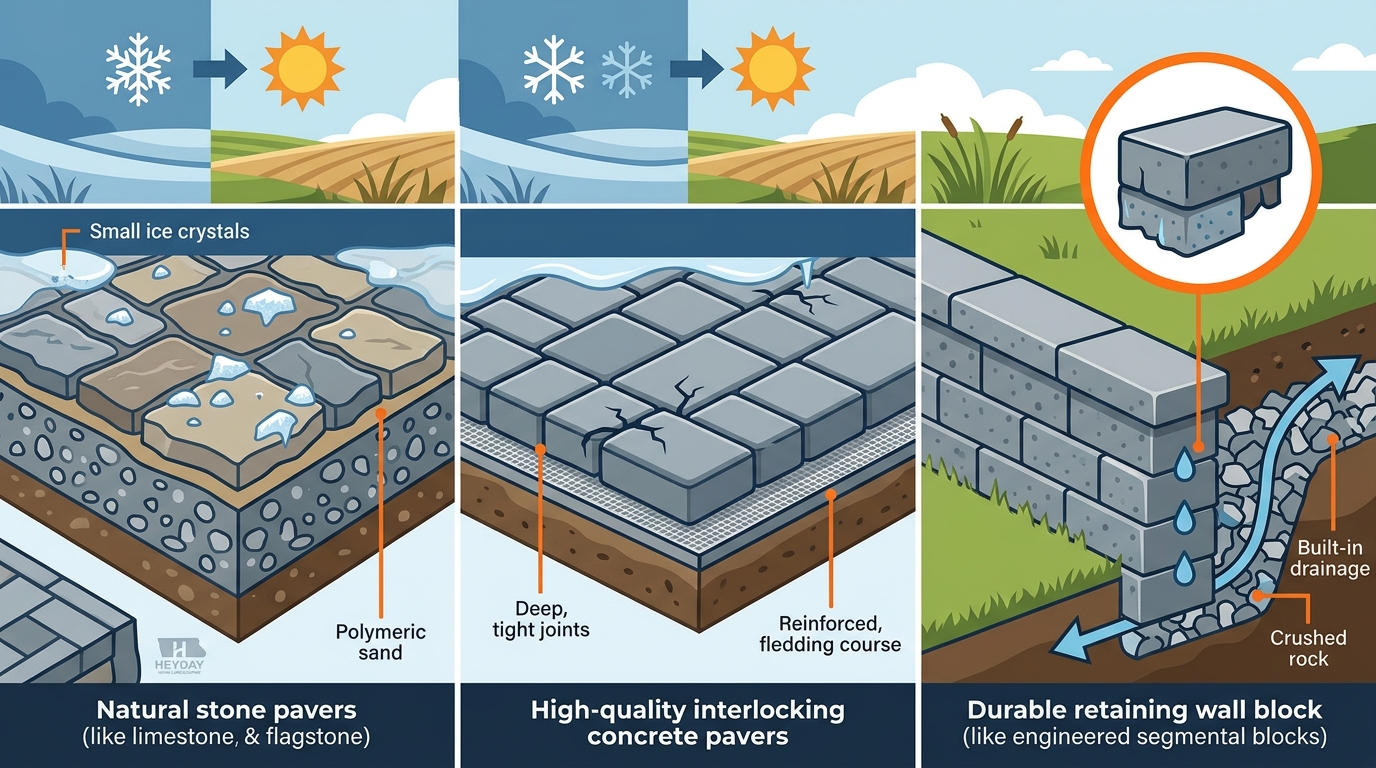
Pavers are widely considered the gold standard for residential hardscaping in Iowa. Unlike poured concrete, which is a monolithic slab prone to cracking from ground movement, pavers are individual units that allow for natural flexibility. This flexibility is crucial in our region where soil expansion and contraction occur with seasonal temperature shifts. (Grasses ndash Heyday Landscaping)
Pavers are individual, interlocking concrete or stone units used to create durable, permeable outdoor surfaces. They come in a variety of textures, colors, and patterns, allowing for immense customization. For a Cedar Rapids or Iowa City home, we often recommend high-density concrete pavers because they resist staining and fading better than natural stone alternatives that might be more porous. (Heyday Landscaping)
Why Pavers Outperform Concrete
The primary advantage of pavers is their ability to settle without cracking. If the ground beneath a paver patio shifts slightly due to frost heave, the individual units move with it. In contrast, a concrete slab will likely fracture. Additionally, pavers offer superior drainage capabilities. Water passes through the joints between the units, reducing runoff and preventing ice buildup during Iowa winters. This makes them a safer and more practical choice for walkways and driveways.
For more details on our installation process, visit our Paver Patio + Paths service page.
Retaining Wall Systems
Retaining walls serve a dual purpose in residential landscaping. They manage soil erosion on sloped properties and create usable flat areas for patios or gardens. The material choice here is dictated by both structural integrity and aesthetic harmony with the home.
Retaining walls are engineered structures designed to hold back soil and prevent erosion on sloped terrain. For residential projects, segmental retaining wall blocks are the most common solution. These blocks are designed with a specific geometry that allows them to lock together without mortar, relying on friction and weight for stability.
Material Options for Walls
We typically use high-quality concrete retaining wall blocks that mimic the look of natural stone. These blocks are available in various textures and colors, ranging from warm tans to cool grays. They are engineered to withstand the lateral pressure of the soil behind them while resisting the freeze-thaw cycles that can destroy lesser materials. For steep slopes or large retaining structures, proper drainage behind the wall is just as important as the block itself.
Learn more about our structural solutions on our Retaining Walls page.
Outdoor Kitchen Surfaces
An outdoor kitchen is a significant investment that requires materials capable of withstanding high heat, moisture, and heavy use. The surface materials must be non-porous to prevent bacteria growth and staining from oils and acids.
Outdoor kitchen surfaces are specialized hardscaping materials designed to resist heat, moisture, and staining in cooking environments. Porcelain pavers have emerged as a top choice for modern outdoor kitchens. They are fired at extremely high temperatures, making them virtually impervious to water absorption. This means they will not crack in freezing temperatures, a common failure point for natural stone like travertine or marble.
Countertop and Base Materials
For the base of the outdoor kitchen, we use concrete pavers or stamped concrete that matches the patio. The countertop material must be heat resistant. While natural stone like granite is an option, it requires regular sealing to maintain its appearance. Porcelain offers a low-maintenance alternative that looks like stone but performs better in outdoor conditions. We also incorporate stainless steel elements for grills and sinks to ensure durability.
Explore our complete Outdoor Kitchens offerings.
Fire Feature Materials
Fire pits and fireplaces extend the usability of your outdoor space into the cooler months. The materials used must be able to withstand direct flame and extreme thermal shock without cracking or exploding.
Fire feature materials are specialized heat-resistant substances used to construct safe and durable fire pits and fireplaces. Fire pit kits often use steel or cast iron for the burner assembly, but the surrounding structure requires specific stone or concrete products. We avoid using standard concrete blocks near direct flame as they can contain moisture that turns to steam and causes the block to explode.
Safety and Aesthetics
For the surround, we recommend fire-rated stone or specialized fire pit blocks. These materials are designed to handle thermal expansion and contraction. The aesthetic should complement the rest of the hardscaping. If you have a paver patio, using matching fire pit kits creates a cohesive look. Our Fire Pit Kits collection includes options that integrate seamlessly with various design styles.
Material Comparison Matrix
Choosing the right material depends on your budget, aesthetic preferences, and maintenance tolerance. The following table summarizes the key characteristics of the most common hardscaping materials used in Eastern Iowa.
| Material | Durability in Freeze-Thaw | Maintenance Level | Aesthetic Flexibility | Best Use Case |
|---|---|---|---|---|
| Concrete Pavers | High | Low | High | Patios, Walkways, Driveways |
| Natural Stone | Moderate | High | Very High | Accent Walls, Luxury Patios |
| Porcelain | Very High | Very Low | High | Outdoor Kitchens, Pool Decks |
| Retaining Wall Block | High | Low | Moderate | Sloped Yards, Terracing |
| Poured Concrete | Low | Moderate | Moderate | Budget Driveways, Basic Walkways |
Key Takeaways
- Local Expertise: Heyday Landscaping has served Cedar Rapids, Iowa City, and Eastern Iowa since 1991, giving us deep insight into local soil and climate conditions.
- Paver Superiority: Concrete pavers outperform poured concrete in Iowa due to their flexibility and resistance to frost heave.
- Porcelain for Kitchens: Porcelain pavers are the most durable and low-maintenance option for outdoor kitchen countertops.
- Retaining Wall Engineering: Proper drainage behind retaining walls is critical to prevent structural failure in sloped yards.
- Fire Safety: Always use fire-rated materials for fire feature surrounds to prevent explosive spalling.
- Zone 5 Planting: Hardscaping should complement Zone 5 plantings, which require specific spacing and soil conditions.
- Thirsty Earth Irrigation: Integrating Thirsty Earth Temporary Irrigation can help establish plants near new hardscaping without damaging the structures.
Frequently Asked Questions
What is the most durable hardscaping material for Iowa winters?
High-density concrete pavers and porcelain are the most durable materials for Iowa winters. They are engineered to withstand freeze-thaw cycles without cracking or spalling, unlike standard concrete or porous natural stone.
How do pavers prevent cracking compared to concrete?
Pavers are individual units that allow for slight movement. If the ground shifts due to frost, the pavers move with it. Concrete is a single slab that cannot flex, so it cracks when the ground moves.
Can I install a paver patio over existing concrete?
Yes, pavers can be installed over existing concrete. This is often done to level a yard or update an outdated patio. However, proper base preparation and drainage are still required to ensure longevity.
What is the best material for an outdoor kitchen countertop?
Porcelain pavers are the best material for outdoor kitchen countertops. They are heat resistant, non-porous, and do not require sealing, making them ideal for cooking environments.
How long do retaining walls last in Eastern Iowa?
Properly installed segmental retaining walls can last 20 to 30 years or more. Longevity depends on proper drainage behind the wall and the quality of the blocks used.
Do I need a permit for hardscaping projects?
Permit requirements vary by municipality in Cedar Rapids, Iowa City, and Marion. Generally, large retaining walls or structural changes may require permits. We handle the permitting process for our clients.
What is Thirsty Earth irrigation?
Thirsty Earth is a temporary irrigation system designed to establish new plants after hardscaping is complete. It delivers water directly to the root zone, ensuring plant survival without damaging the new pavers or walls.
Start Your Hardscaping Project
Transform your backyard into a functional and beautiful retreat with the right materials. Whether you need a paver patio, a retaining wall, or a complete outdoor kitchen, Heyday Landscaping has the expertise to guide you. We serve Cedar Rapids, Iowa City, Marion, and the surrounding areas. Contact us today to schedule your free consultation and discover how we can build your dream outdoor space.
Request a Free Consultation