
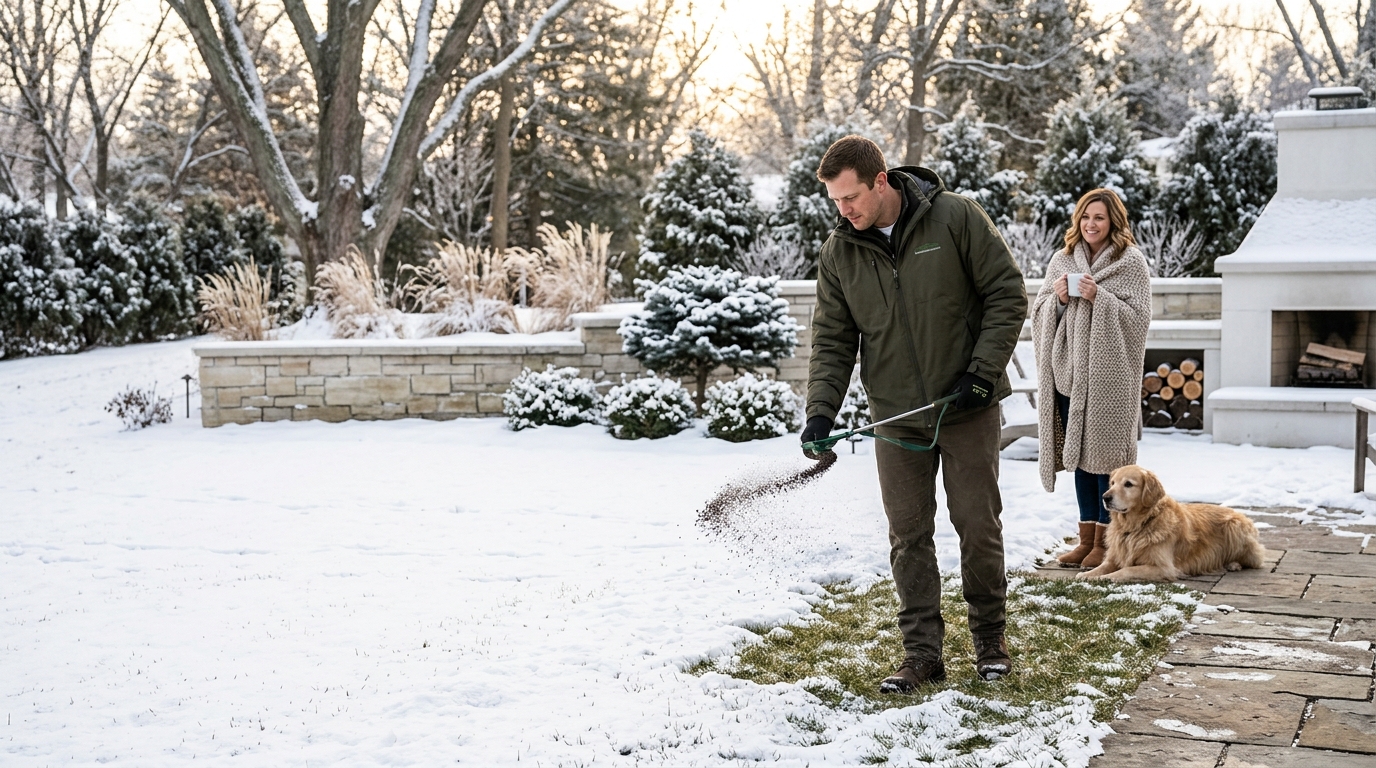
Eastern Iowa winters are notoriously harsh, with temperatures frequently dropping below zero and heavy snowfall that can smother dormant grass. According to the National Weather Service, the region experiences significant freeze-thaw cycles that can heave soil and damage root systems if not managed correctly. Proper winter preparation is not just about aesthetics; it is about survival. A neglected lawn in Cedar Rapids or Iowa City often suffers from winter kill, fungal diseases, and soil compaction. This guide provides a step-by-step protocol to ensure your turf remains healthy and ready for spring growth. (Products ndash Heyday Landscaping)
Understanding Winter Dormancy
Before taking action, you must understand what dormancy is. Dormancy is a state of suspended growth that grass enters to survive cold temperatures. It is a natural survival mechanism, not a sign of death. During this period, the grass blades may turn brown or tan, but the root system remains alive underground. Heyday Landscaping emphasizes that respecting this natural cycle is the first step in effective lawn care. Attempting to force growth during deep winter can weaken the plant. Instead, focus on protecting the existing root structure from environmental stressors like ice sheets and desiccating winds.
The Fall Fertilization Strategy
The most critical maintenance window for winter health occurs in late fall. Applying a winterizer fertilizer helps grass store energy in its roots. This fertilizer should be high in potassium, which strengthens cell walls and improves cold tolerance. Nitrogen should be minimal to prevent rapid top growth that will be damaged by frost. Professional landscape services often time this application to coincide with the first hard frost. This ensures the nutrients are absorbed by the roots without stimulating new, vulnerable shoots. For homeowners in Zone 5, timing is everything. Applying too early can lead to disease, while applying too late may result in the nutrients washing away before the ground freezes.
Mowing and Cutting Height
Many homeowners make the mistake of mowing their lawn too short before winter. This practice, known as scalping, exposes the grass crown to freezing temperatures and pests. The correct approach is to raise the mower deck slightly. A cutting height of 2.5 to 3 inches provides insulation for the roots. It also allows the grass blades to trap snow, which acts as a natural insulator against extreme cold. Research on turfgrass management indicates that taller grass recovers faster in spring because it has more stored carbohydrates. Continue mowing until growth completely stops. Do not let grass clippings accumulate on the surface, as they can mat down and create a breeding ground for snow mold.
Snow and Ice Management
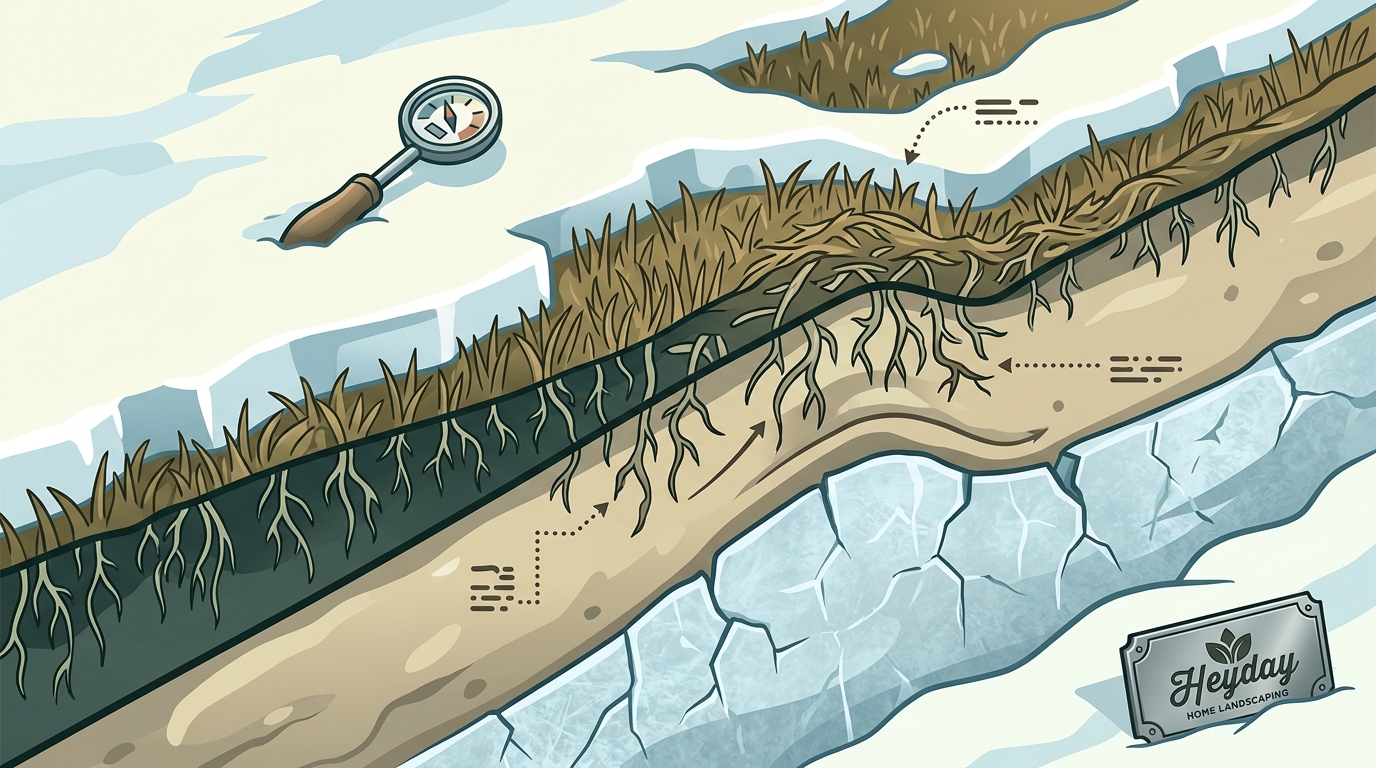
Once snow begins to fall, your role shifts from active care to protective monitoring. Heavy snow loads can physically damage grass blades. However, the greater threat is ice sheets. When snow melts and refreezes, it creates a hard shell that prevents oxygen from reaching the turf. This can lead to suffocation and death. To mitigate this, avoid walking on frozen lawns whenever possible. Foot traffic on frozen grass can crush the blades and compact the soil. If you must traverse the lawn, use wooden boards to distribute your weight. Professional snow removal services can help manage heavy accumulations without damaging the underlying turf. They use specialized equipment that clears snow without the abrasive action of metal plows.
Weed and Disease Prevention
Winter is not just about grass; it is about preventing unwanted invaders. Broadleaf weeds like dandelions and clover can remain active during mild winter spells. Applying a pre-emergent herbicide in late fall can prevent these weeds from establishing themselves. Additionally, fungal diseases such as pink snow mold thrive in wet, snowy conditions. Ensuring good air circulation and avoiding excessive thatch buildup in the fall reduces the risk of these diseases. Thirsty Earth temporary irrigation systems can also be managed to prevent overwatering before the ground freezes, which reduces the likelihood of ice damage and fungal growth. Proper drainage is essential for winter health.
Spring Recovery Plan
As temperatures rise, your lawn will emerge from dormancy. The first step in spring is to assess the damage. Look for bare spots, thinning areas, or signs of disease. Aeration is a crucial step in spring recovery. It relieves soil compaction caused by winter foot traffic and snow melt. This allows water, air, and nutrients to penetrate the root zone. Landscape design principles suggest integrating aeration into your annual maintenance calendar. Follow aeration with overseeding to fill in bare patches. Use a grass seed blend suited for Eastern Iowa’s climate. Finally, resume fertilization gradually, starting with a balanced spring fertilizer to kickstart green-up.
Key Takeaways
- Dormancy is natural: Grass turns brown to survive; do not panic or overwater.
- Fall fertilization is critical: Apply winterizer high in potassium before the first frost.
- Mow higher: Keep grass at 2.5 to 3 inches to insulate roots from cold.
- Avoid frozen traffic: Walking on frozen grass crushes blades and compacts soil.
- Manage snow load: Heavy snow can smother grass; use professional removal if needed.
- Prevent disease: Reduce thatch and ensure drainage to stop snow mold.
- Aerate in spring: Relieve compaction and overseed bare spots for a healthy start.
Frequently Asked Questions
When should I stop mowing my lawn in Iowa?
You should stop mowing when the grass growth completely ceases, typically after the first hard frost in late fall. Continuing to mow into early winter can stress the grass.
Is it safe to walk on my frozen lawn?
It is best to avoid walking on frozen lawns. Foot traffic can crush dormant grass blades and compact the soil, making spring recovery difficult. Use boards if you must cross.
How do I prevent snow mold on my lawn?
Prevent snow mold by ensuring good air circulation, avoiding excessive thatch, and not piling snow from walkways onto the lawn. Proper drainage is also key.
What is the best fertilizer for winter?
A winterizer fertilizer high in potassium and low in nitrogen is best. Potassium strengthens cell walls and improves cold tolerance, while low nitrogen prevents vulnerable new growth.
Do I need to water my lawn in winter?
Generally, no. Winter precipitation from snow and rain is usually sufficient. Overwatering can lead to ice formation and root rot. Only water during unusually dry, mild spells.
How do I fix brown spots after winter?
Assess the damage in spring. For small spots, overseed with appropriate grass seed. For larger areas, consider aeration and topdressing to improve soil health before reseeding.
Why is my lawn turning white in the spring?
White patches often indicate snow mold, a fungal disease. Rake the affected areas to remove dead grass and improve air circulation. Apply a fungicide if the problem persists.
Ready to Transform Your Outdoor Space?
Winter maintenance is just one part of a comprehensive landscaping strategy. For expert care, design, and installation services in Cedar Rapids, Iowa City, and Eastern Iowa, trust Heyday Landscaping. We have been serving the community since 1991, providing professional landscape design, paver patios, retaining walls, and seasonal maintenance. Contact us today to schedule your free consultation and ensure your lawn is ready for the seasons ahead.